A Seattle to Glacier National Park road trip takes you between two of the biggest attractions along the Canadian Border.
Our 555+-mile Seattle to Glacier National Park road trip itinerary takes you from Washington through Idaho to Montana. As you drive, you’ll pass breathtaking National Parks and National Forests, abundant wildlife, overlooked cities, and historic towns, en route to one of the planet’s most incredible natural destinations, Glacier National Park.
For help planning a perfect road trip from Seattle to Glacier National Park, read on.
A Perfect Seattle To Glacier National Park Road Trip: How Far Is It, How Long Will It Take, & What Is The Best Route?
A Seattle to Glacier National Park road trip covers at least 555 miles (893 km) and takes 9 hours to drive. However, the best route for our road trip, Seattle to Glacier National Park, covers 630 miles (1014 km) and takes 10 hours and 45 minutes to drive. What makes this route better is the two attractions it adds right at the start of the trip.
Those using the short option can start by following I-90 east until the two routes meet. For people following the best route, take I-5 south to Exit 142A, then head east on Washington State Route 18. In Auburn, Washington, turn right onto Washington State Route 164 and drive its entire 15-mile length. Veer left to merge onto Washington State Route 410 and follow it to its conclusion in Naches, Washington, then merge onto US Route 12.
In Yakima, Washington, head north on I-82 and drive to its conclusion in Ellensburg, Washington. Here you’ll meet I-90 (and our short route) and head east 295 miles to Exit 33 in St Regis, Montana. Join Montana Highway 135 at its origin and drive its 21.5-mile duration, briefly follow Montana Highway 200 to Plains, Montana, then join Montana Highway 28 at its origin and drive its 46.7-mile duration.
Merge onto US Route 93 and head north to Somers, Montana, where you will briefly head east on Montana Highway 82 before turning left to follow Montana Highway 35 north. When the road bends left, turn right to keep going north on Montana Secondary Highway 206/Montana Scenic Loop. At its end, head east on US Route 2 to West Glacier, Montana, where you will turn left to join Going-To-The-Sun Road and enter Glacier National Park.
Best Time For A Seattle To Glacier National Park Road Trip
The best time for a Seattle to Glacier National Park road trip is from mid-June to early September. This is the period when the weather is warmest and driest in Glacier, and all attractions will be open in the park and along the route.
July and August are the only “hot” months, so they are the best choice for those who enjoy hiking in the heat. However, they’re also easily the most popular. As a result, anyone not too worried about cooler temperatures may prefer the still pleasant yet far quieter experience on offer in June and September.
Best Place To Stop On A Seattle To Glacier National Park Road Trip Itinerary – Spokane, Washington
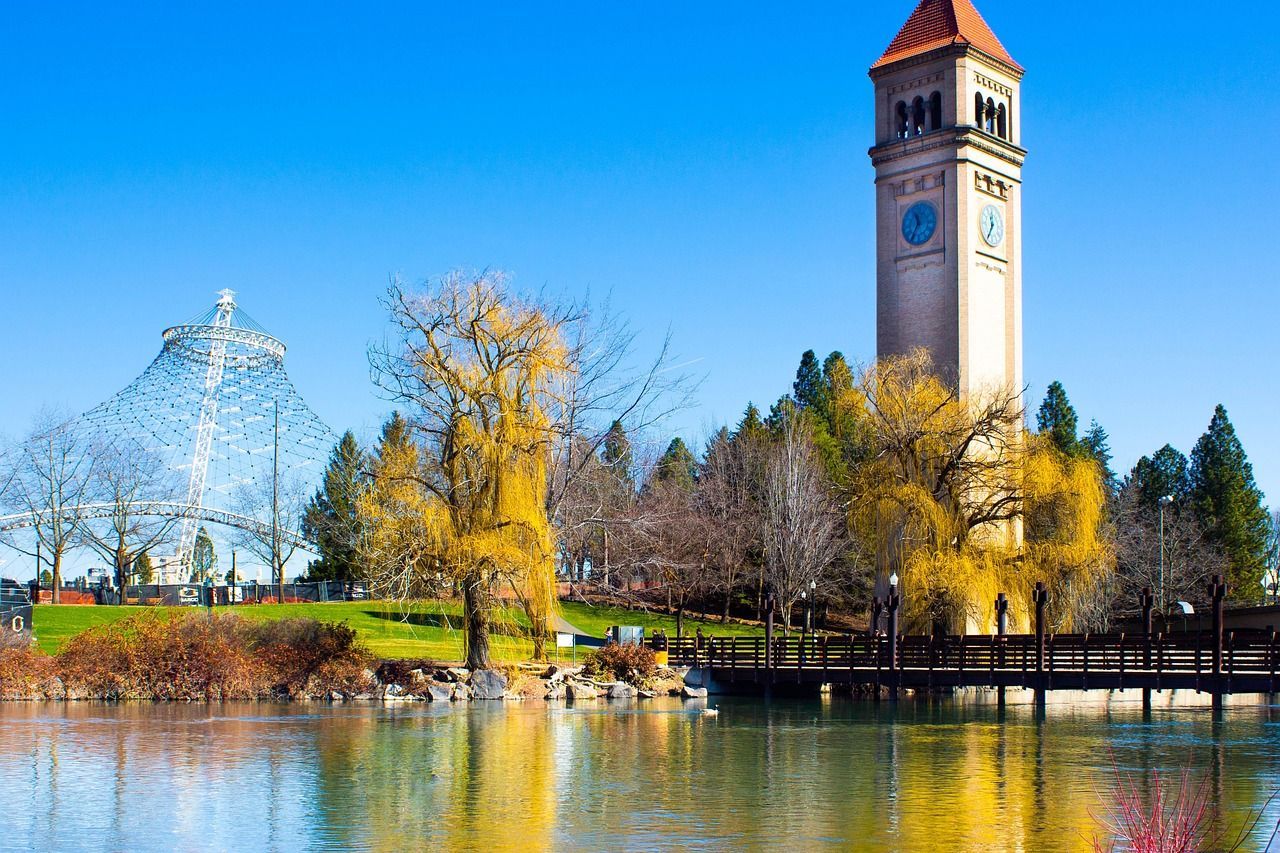
Given that driving from Seattle to Glacier National Park takes at least 9 hours, it's essential to plan the journey in more manageable segments. Among the various options along the way, Spokane, Washington, stands out as the best place to stop on a Seattle to Glacier National Park road trip.
Strategically located near both routes’ midpoints, Spokane is the second-largest city in Washington by both population and area, offering a wealth of experiences. A dynamic and inviting city located in the Inland Northwest, it is known for its blend of cultural attractions, beautiful landscapes, and outdoor activities.
The focal point of the city is Riverfront Park. This area features waterfalls, walking trails, a historic carousel, and seasonal events, providing something enjoyable for all visitors. The vibrant downtown area is filled with boutique stores, art galleries, craft breweries, and a variety of dining options. In addition, significant sites like the Fox Theater and the Davenport Hotel highlight the city’s historical significance.
For those who love the outdoors, Spokane boasts a range of parks and nearby natural spots, including the Centennial Trail, ideal for biking and walking along the Spokane River, and Riverside State Park, which offers hiking, boating, and wildlife observation. During the winter months, Mount Spokane is open for skiing and snowboarding.
Best Hotel To Stay At In Spokane, Washington – The Davenport Grand, Autograph Collection
The Davenport Grand, part of the Autograph Collection, is a contemporary 4-star hotel situated in Downtown Spokane. It provides luxurious lodging with convenient proximity to the city’s main attractions. Visitors can relish in spacious rooms adorned with modern décor and expansive floor-to-ceiling windows that showcase views of the city or river. Each room is equipped with amenities such as a flat-screen cable TV, privacy curtains, and an en-suite bathroom featuring a marble walk-in shower. High-speed Wi-Fi is available in the room and throughout the premises.
The hotel includes a rooftop bar that boasts sweeping views, along with three on-site restaurants that specialise in locally inspired dishes. Guests can also take advantage of a fitness centre, an indoor pool, inviting lounge areas, and versatile meeting and event spaces. Additionally, private parking and breakfast options are available.
The 9 Best Things To See On A Seattle To Glacier National Park Road Trip Itinerary
Tacoma, Washington (Best Route Only)
Tacoma, Washington's third-largest and third-most populous city, is well known for hosting the University of Washington Tacoma. This vibrant student city serves as a cultural centre, featuring a variety of notable art galleries and museums. Tacoma's rich history has earned it the nickname "City of Destiny," as it marked the western terminus of the Northern Pacific Railroad and is home to Washington's largest port. Many locations within the city offer visitors valuable perspectives on these important historical landmarks.
Mount Rainier National Park (Best Route Only)
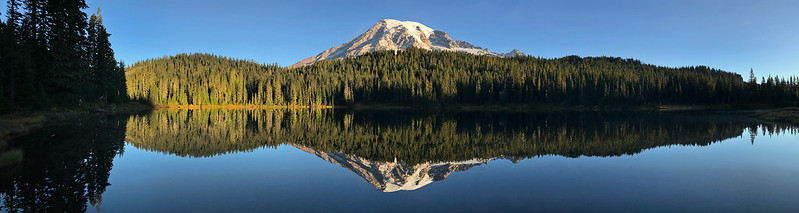
Mount Rainier National Park was created on March 2, 1899, making it the fourth-oldest national park in the United States, following Yellowstone and two parks in California's "Majestic Mountain Loop," Sequoia and Yosemite. Spanning 236,382 acres, it ranks as the 30th-largest park in the country and attracts 1.62 million visitors annually, placing it 19th for visitor numbers.
Situated within the Cascade Mountains, the park centres around a volcano, surrounded by a landscape abundant in waterfalls, meadows, and at least 27 notable glaciers. It offers two strikingly different experiences based on the season.
In summer, the park is alive with vibrant wildflowers and various wildlife. Species such as deer, goats, elk, bears, marmots, and over 180 bird species contribute to its lively atmosphere. This season sees a rise in activities like camping, hiking, picnicking, and rock climbing.
During winter, heavy snowfall alters the terrain into a winter wonderland. Recognised as one of the most consistently snow-laden spots in the world, it provides exceptional opportunities for winter sports and outdoor activities, including skiing, tubing, snowshoeing, and exploring the serene winter landscape.
Turnbull National Wildlife Refuge
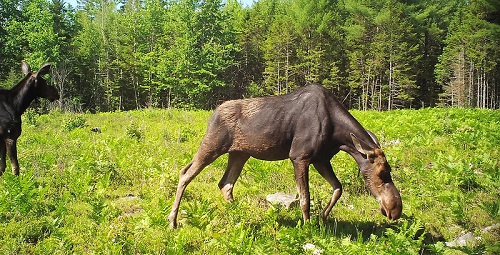
Turnbull National Wildlife Refuge is a serene haven comprised of wetlands, woodlands, and gently rolling prairies located in the Channelled Scablands, an area influenced by glacial floods from the Ice Age. The refuge boasts a diverse array of habitats that support a substantial year-round moose population and attract over 200 bird species, such as great blue herons, trumpeter swans, and various waterfowl.
In the spring and fall, the refuge is particularly breathtaking as migratory birds fill the skies, and wildflowers or autumn colours enhance the landscape. Visitors can partake in scenic drives and hiking on trails such as the Pine Lake Loop and Stubblefield Lake Trail, which feature picturesque vantage points showcasing the refuge's ponds and basalt formations, making it a favourite among birdwatchers, photographers, and nature lovers. The visitor centre offers informative displays that highlight the area's ecology and conservation initiatives.
Coeur d’Alene, Idaho
Coeur d'Alene is one of northern Idaho's most scenic locations, merging the stunning Rocky Mountains with Lake Coeur d'Alene’s glistening waters. Named after the native Coeur d'Alene people, who inhabit the Coeur d'Alene Reservation just south of the city, it is Idaho’s 6th-most populous city. A lively downtown area boasts a variety of boutique stores, local eateries, art galleries, and inviting cafés, all conveniently located within walking distance of the waterfront.
Tourists can take a picturesque lake cruise, walk along the world's longest floating boardwalk, or unwind on the sandy shores of City Park. For those who enjoy outdoor activities, options are abundant, such as hiking, mountain biking, kayaking, paddleboarding, fishing, and golfing. The famous Coeur d'Alene Resort Golf Course is known for its unique floating green, while adjacent forests and trails offer year-round adventures.
Idaho Panhandle National Forests
The Idaho Panhandle National Forests is a collaborative reserve that includes three national forests: Coeur d’Alene, Kaniksu, and St. Joe. Spanning more than 3 million acres of pristine wilderness across northern Idaho, eastern Washington, and western Montana, it ranks as the 8th-largest National Forest in the United States. This area features a stunning mix of mountains, lakes, rivers, dense evergreen forests, and diverse wildlife, including moose, elk, eagles, and even grizzly bears.
Visitors can partake in a variety of activities such as scenic drives, camping, hiking, fishing, kayaking, swimming, mountain biking, horseback riding, and boating. These are all set against a backdrop that ranges from the sparkling waters of Lake Pend Oreille, Priest Lake, and the St. Joe River to the rugged peaks of the Selkirk and Bitterroot Mountains, including trails like the Route of the Hiawatha. In the winter months, opportunities for skiing, snowshoeing, snowmobiling, and other winter activities are abundant.
Wallace, Idaho
Nestled within the breathtaking Bitterroot Mountains of Silver Valley, Wallace, Idaho, is a charming historic mining town. Known as the "Silver Capital of the World," it retains much of its 19th-century allure, characterised by brick buildings, vintage shops, and a walkable downtown area that is fully registered on the National Register of Historic Places.
Visitors can explore the mining heritage of the town through attractions such as the Sierra Silver Mine Tour, the Northern Pacific Railroad Museum, and the Oasis Bordello Museum, which offers an intriguing glimpse into Wallace’s rich and colourful past.

Lolo National Forest
Lolo National Forest spans more than two million acres in western Montana, showcasing stunning mountains, rivers, and forests that capture the wild essence of the Northern Rockies. Known for its diverse landscapes, which feature lush valleys, towering alpine peaks, scenic mountain views, meandering rivers, and tranquil woodlands, the area is home to a variety of wildlife, including elk, deer, and black bears.
The forest offers countless opportunities for outdoor activities such as hiking, camping, fishing, kayaking, and wildlife watching. Popular highlights include sections of the historic Lewis and Clark Trail, trails in the Rattlesnake Wilderness and around Lolo Peak, and Lolo Hot Springs, where visitors can relax after their adventures. In winter, Lolo becomes a popular destination for snowshoeing, cross-country skiing, and snowmobiling.
Flathead Indian Reservation
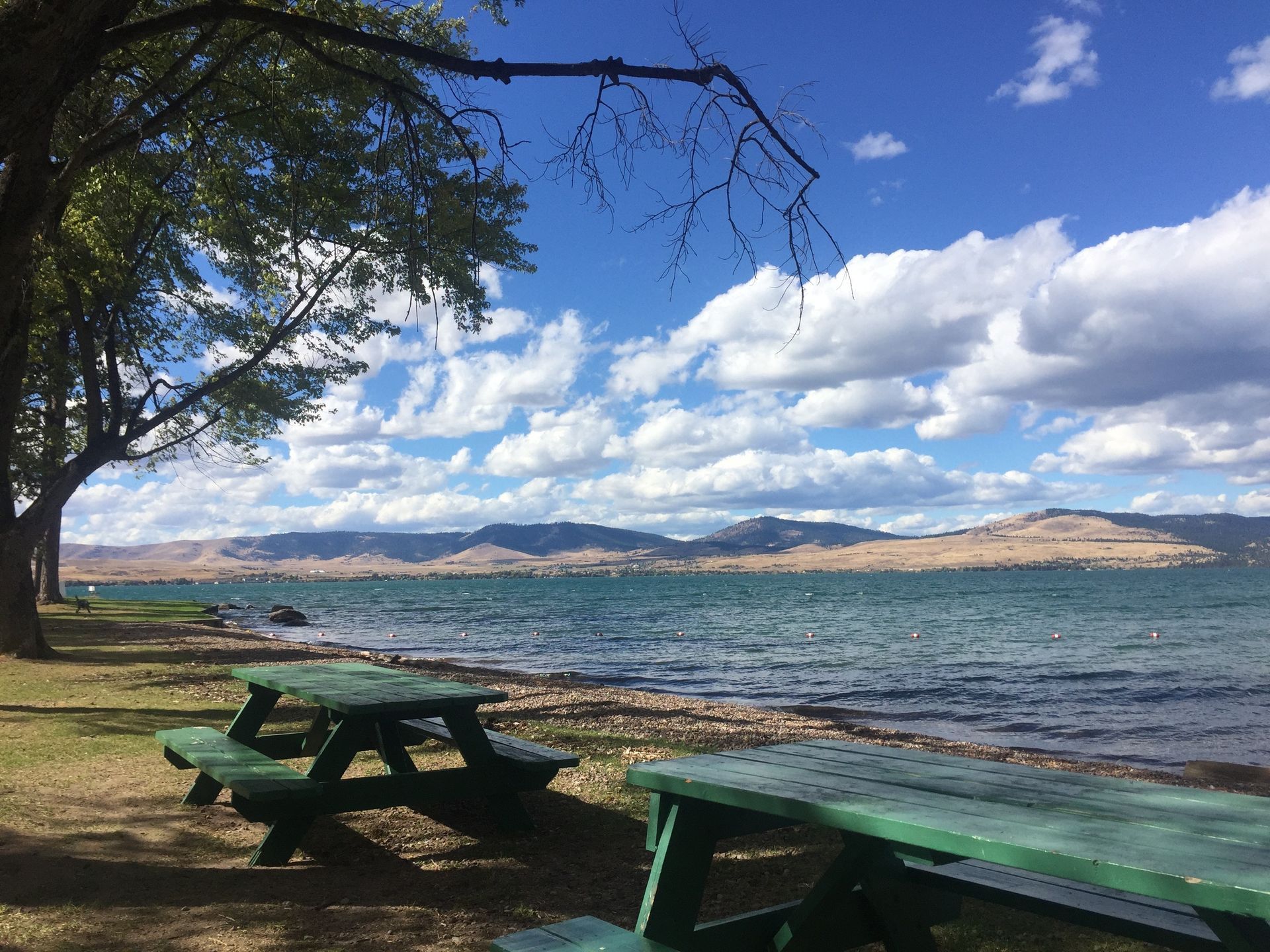
The Flathead Indian Reservation, a vast and scenic region in western Montana, offers guests the opportunity to engage with the rich culture, history, and natural beauty of the Confederated Salish and Kootenai Tribes. Covering more than a million acres, the reservation includes rolling valleys, mountain vistas, rivers, and lakes, providing a wealth of opportunities for sightseeing, wildlife watching, fishing, and various outdoor pursuits.
One prominent feature is the southern section of Flathead Lake, acknowledged as the largest natural freshwater lake west of the Mississippi River, renowned for its pristine waters and breathtaking shorelines. Visitors can also explore tribal museums, cultural landmarks, and local communities to deepen their understanding of Indigenous customs and heritage.
Flathead National Forest
Flathead National Forest is recognised as one of Montana’s top outdoor destinations, encompassing more than two million acres of rugged landscapes, pristine lakes, alpine meadows, and dense evergreen forests within the Rocky Mountains. Situated next to the western boundary of Glacier National Park, it features breathtaking scenery and numerous adventure opportunities for visitors throughout the year.
There are extensive trails available for hiking, mountain biking, horseback riding, and off-road activities. Its rivers and lakes are ideal for fishing, rafting, kayaking, and boating. Scenic drives showcase remarkable mountain vistas, particularly in autumn when the forests display an array of vibrant colours. Nature enthusiasts can observe a diverse array of wildlife, including elk, moose, black bears, mountain goats, and bald eagles in their natural habitats. Campsites are available for peaceful stargazing in remote wilderness areas.
Final Thoughts On A Perfect Seattle To Glacier National Park Road Trip Itinerary
This concludes our guide to planning the perfect Seattle to Glacier National Park road trip itinerary. You should now know when to travel, which route to take, where to stay, and what to see along the way. All that’s left is to decide what to take with you, and then you can start booking and budgeting everything, so you can look forward to enjoying it all for yourself as soon as possible.
Anyone looking to continue their journey may also appreciate our guide to a road trip from Glacier National Park to Yellowstone National Park, which can be read here.
Recent Posts