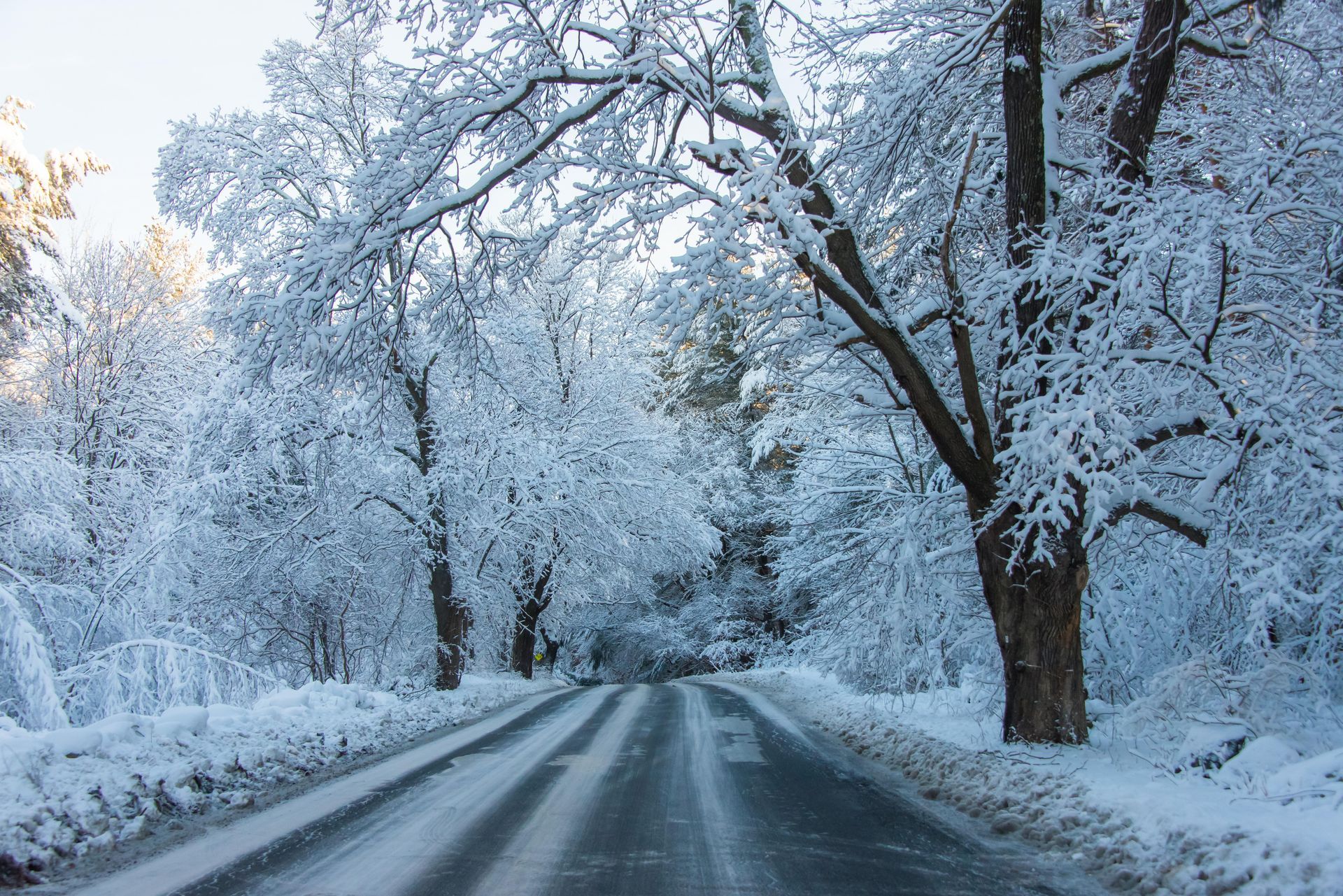
A Glacier National Park to Yellowstone National Park road trip takes you between Montana’s two most popular destinations.
A 375-mile Glacier National Park to Yellowstone National Park road trip takes you from near the Canadian border through the western section of “Big Sky Country”. As you travel south from one of the United States’ most scenic locations, Glacier NP, you will pass wild national forests, historic towns and cities, and unique Indian reservations en route to the world’s oldest, most iconic National Park, Yellowstone.
Read on for help planning the perfect Glacier National Park to Yellowstone road trip itinerary.
A Perfect Glacier National Park To Yellowstone National Park Road Trip Itinerary: How Far Is It, How Long Will It Take & What Is The Best Route?
A Glacier National Park to Yellowstone National Park road trip is 375 miles long and takes 5 hours and 45 minutes to drive. There are several great routes between the two parks, but, as most people drive Glacier National Park’s Going-to-the-Sun Road from west to east, as it’s considered the more scenic direction, the best route for a road trip from Glacier National Park to Yellowstone National Park begins at the park’s east entrance in Saint Mary, Montana.
The route is incredibly easy to drive. Begin by following US Route 89 south 100 miles to Choteau, Montana, then continue south another 165 miles on US Route 287. Join I-90 and take it east 57 miles to Exit 333 in Livingston, Montana, where you’ll rejoin US Route 89 and follow it south the remaining 53 miles to the Roosevelt Arch – Yellowstone North Entrance, in Gardiner, Montana.
Best Time For A Glacier National Park To Yellowstone National Park Road Trip
The best time for a Glacier National Park to Yellowstone road trip is from early July to late September. This timeframe offers the warmest and driest conditions in both parks, with all attractions accessible. This period can be further divided into two six-week segments, each catering to different preferences.
From the start of July to the middle of August, temperatures are at their peak in both parks. Given the region’s generally cooler climate, this period is perfect for those sensitive to cold weather. However, it is important to note that this is the high season, meaning larger crowds may make the parks feel more commercialised and less relaxed.
Conversely, the period from mid-August to the end of September is better suited for visitors who are less concerned about cooler temperatures. While it remains pleasantly warm, it does not reach the same highs as the earlier window. During this time, though, visitor numbers typically begin to decline, offering a more serene and authentic experience, allowing guests to appreciate the parks in a more natural setting that many seek.
Best Place To Stop On A Glacier National Park To Yellowstone National Park Road Trip Itinerary
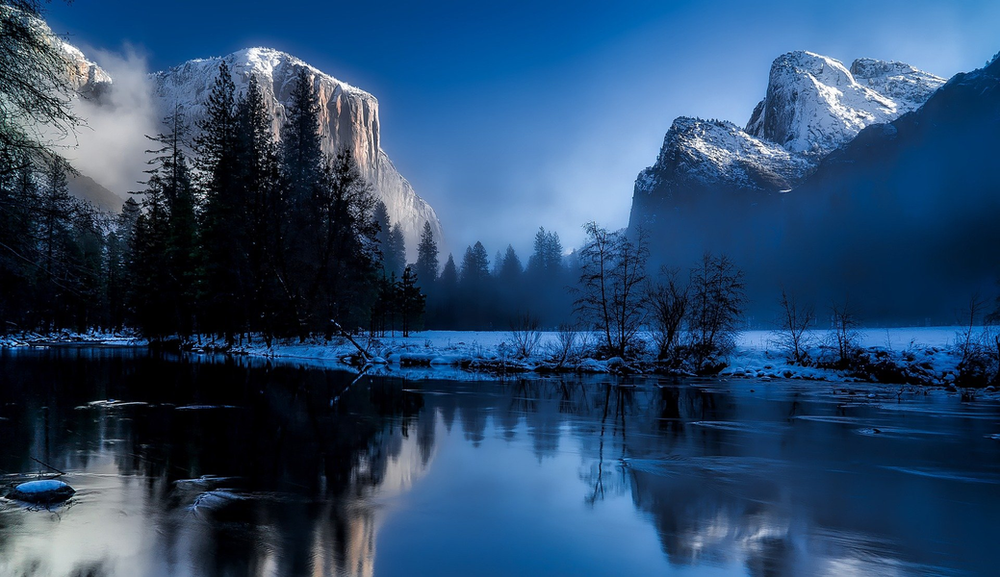
At just under 6 hours to drive, many people will complete a Glacier National Park to Yellowstone National Park road trip in a day. However, with plenty to see and do in this stunningly beautiful part of the United States, we suggest taking it slowly and making at least one overnight stop. There are several great places in western Montana to do so, but none are as great as Bozeman, Montana.
Bozeman, Montana
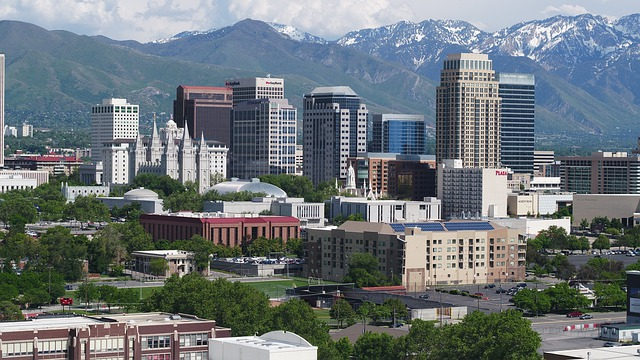
The fourth most populous and sixth-largest city in Montana, Bozeman is a vibrant mountain town that blends outdoor activities with contemporary Western culture, situated amidst the Gallatin, Bridger, and Madison mountain ranges. It offers access to some of the state's most breathtaking landscapes, including Hyalite Canyon, the Bridger Bowl Ski Area, and the Gallatin River, which provide opportunities for a variety of year-round pursuits such as hiking, skiing, fishing, and wildlife watching.
Rich in cultural and educational resources, Bozeman is home to Montana State University and the respected Museum of the Rockies, with one of the world’s premier collections of dinosaur fossils. The historic downtown is characterised by charming brick buildings and is filled with unique boutiques, art galleries, and outstanding farm-to-table restaurants.
Numerous festivals, live performances, and local markets foster a youthful, energetic vibe while preserving the region’s traditional Western character. The city has also garnered popularity among fans of the Yellowstone TV series, as many scenes were shot here, highlighting its picturesque surroundings.
Best Hotel To Stay At In Bozeman, Montana – MountainView Lodge & Suites
MountainView Lodge & Suites is a charming, rustic hotel in western Bozeman, offering an affordable and convenient lodge-style base for exploring downtown Bozeman and the surrounding outdoor attractions. Each morning, guests are treated to a complimentary breakfast and have access to amenities including an indoor heated pool, hot tub, sauna, fitness centre, ski storage, and a cosy lobby boasting a large stone fireplace.
The lodge provides spacious, well-appointed rooms that cater to both short and extended stays. Standard amenities include free Wi-Fi, cable TV, air conditioning, a microwave, a mini refrigerator, a coffee maker, a hairdryer, an iron and ironing board, a work desk, and individual climate controls. Some room types come with additional features like fireplaces, whirlpool tubs, sofa beds, separate living areas, and stunning mountain views. The availability of family rooms with two queen beds and larger suites makes this establishment an ideal choice for couples, families, and groups.
The Best Things To See On A Glacier National Park To Yellowstone National Park Road Trip Itinerary
Blackfeet Indian Reservation
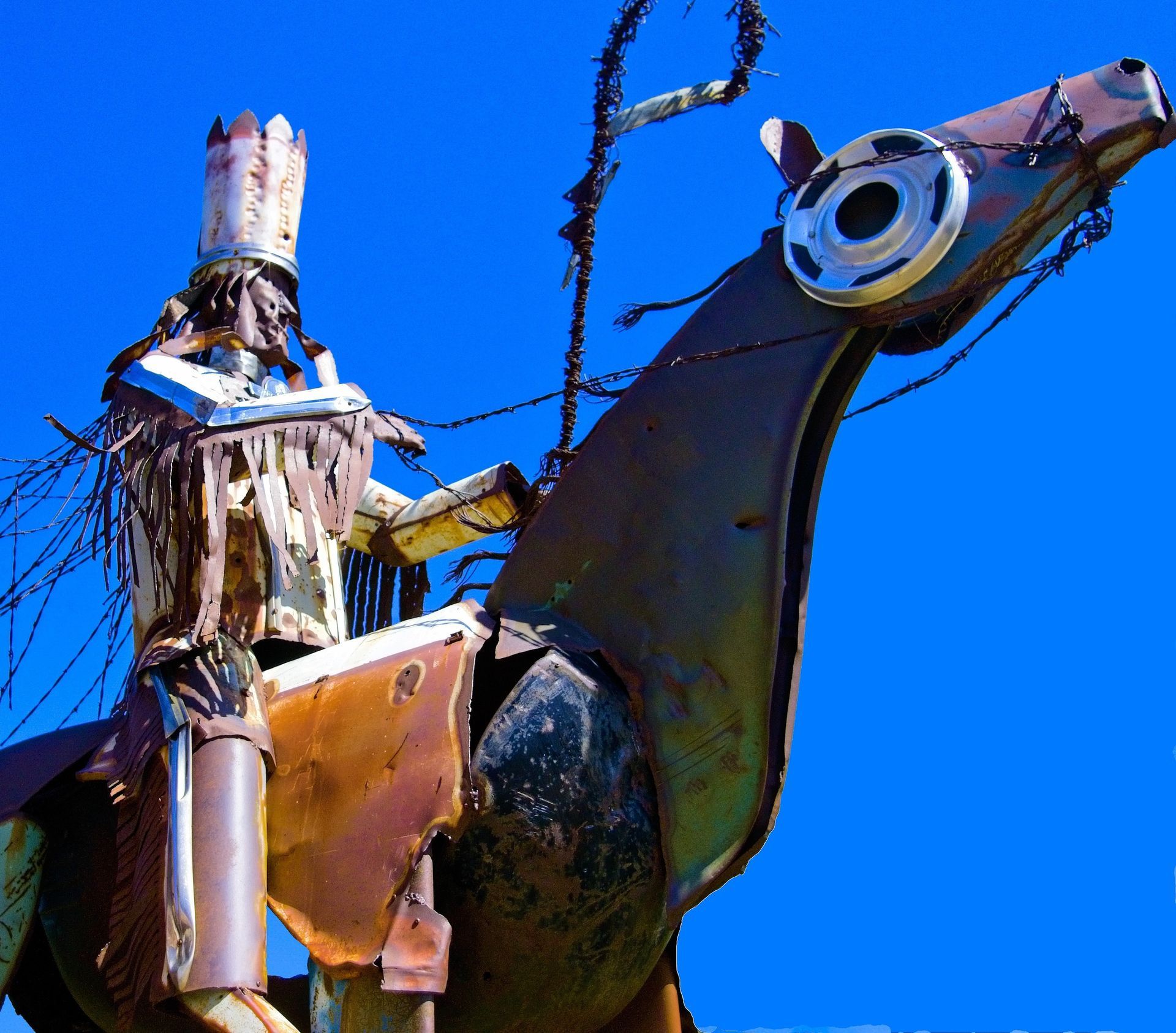
The first stop on any Glacier National Park to Yellowstone road trip from Glacier’s St Mary entrance is the Blackfeet Indian Reservation. Located in a stunning part of northwest Montana adjacent to the park, it provides visitors the opportunity to immerse themselves in awe-inspiring scenery and the vibrant culture of the Blackfeet Nation.
The landscape transitions from breathtaking mountain vistas to rolling prairies, and attractions like the Museum of the Plains Indian offer insightful glimpses into the history, traditions, and artistic expressions of the Blackfeet people. Throughout the year, various cultural events, powwows, and local enterprises showcase traditional music, dance, crafts, and genuine Native hospitality.
For those who love the outdoors, there are options for scenic drives, wildlife observation, fishing, hiking, and photography, especially in the picturesque Two Medicine area.
Great Falls, Montana
Visiting Great Falls, Montana, adds a 20-mile, 30-minute detour to our road trip from Glacier National Park to Yellowstone National Park. However, as Montana’s 3rd-most populous city, many will find it worthwhile. A friendly city located along the Missouri River, known for its rich heritage, numerous outdoor activities, and active arts community, the city derives its name from a series of waterfalls that posed a challenge for the Lewis and Clark expedition.
Among its attractions are the Lewis and Clark Interpretive Center and the C. M. Russell Museum, which highlight the life and works of this celebrated Western artist. Visitors can take leisurely walks along the picturesque River's Edge Trail, visit nearby parks, enjoy excellent fishing and hiking, or unwind at the local restaurants, breweries, and shops. Additionally, Great Falls is an excellent starting point for exploring the expansive landscapes and historical sites of central Montana.
Helena-Lewis & Clark National Forest
Helena–Lewis & Clark National Forest spans almost 2 million acres, showcasing a remarkable blend of rugged mountains, vast plains, and pristine wilderness. Named after the state’s capital and the renowned explorers, this forest encompasses sections of the route taken by the Lewis and Clark Expedition. It stretches from the Continental Divide near Helena to the extensive grasslands to the east of Great Falls, exemplifying the diverse beauty of the state's landscape.
Within the forest, notable attractions include the Kings Hill Scenic Byway and the Big Belt and Little Belt Mountains, celebrated for their scenic trails, alpine lakes, and breathtaking mountain views. This area boasts a rich historical background highlighted by various landmarks. It also offers a multitude of activities, such as camping, hiking, biking, boating, swimming, wildlife watching, fly fishing, picnicking, and winter sports like snowshoeing and skiing.
Helena, Montana
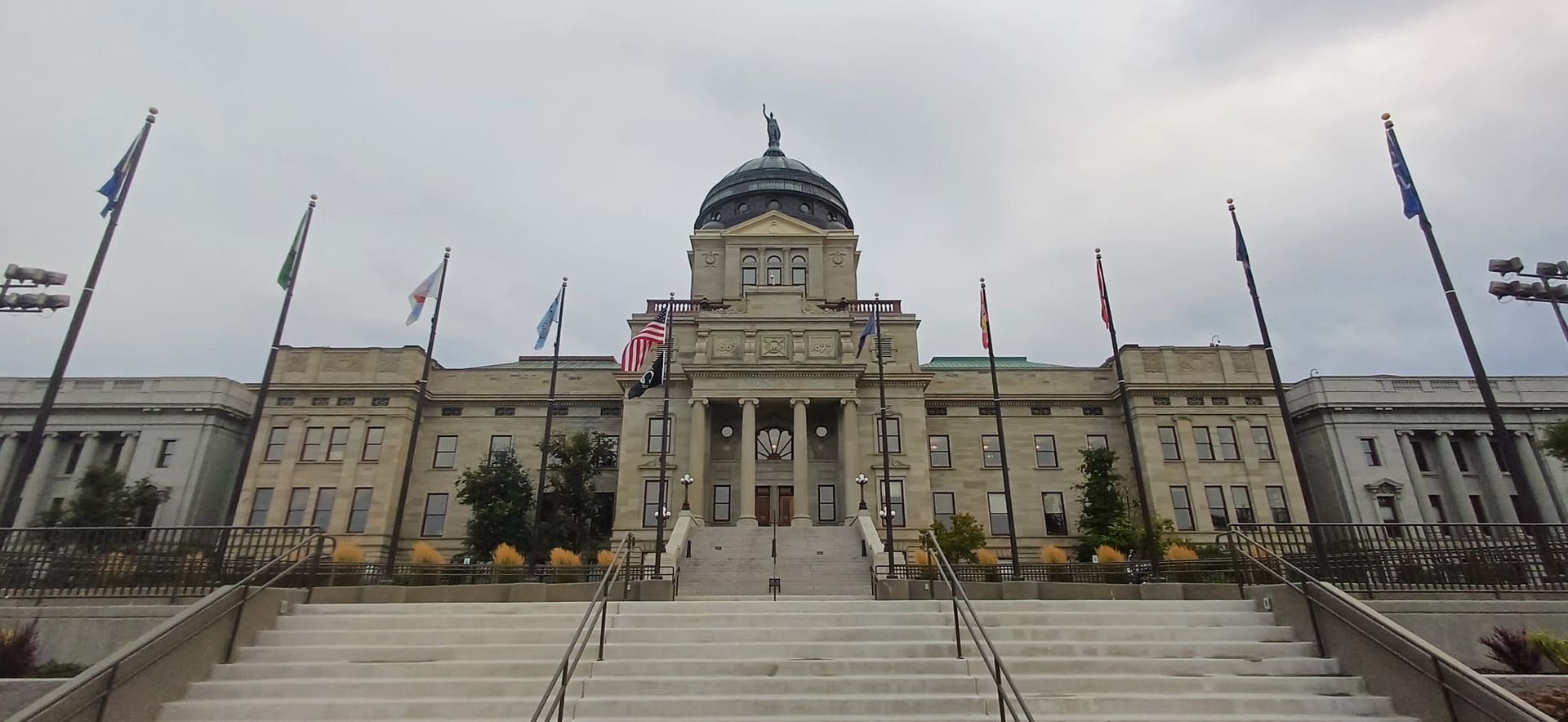
Helena, the capital of Montana and its sixth-largest city, is nestled amid breathtaking mountains and lakes, showcasing a unique combination of rich Gold Rush history and the natural splendour of the Northern Rockies. Established in the 1860s during the gold rush, Helena reflects its historical significance through its impressive Victorian-style architecture, historic residences, and key landmarks.
Travellers can visit the Montana State Capitol and the Cathedral of St. Helena. The Last Chance Gulch pedestrian mall is the site of the city's initial gold discovery and is now home to a variety of distinct shops, art galleries, and inviting cafes. The Montana Historical Society Museum provides an informative overview of the state's vibrant history, while the picturesque Mount Helena City Park offers hikers stunning panoramic views of the valley.
Livingston, Montana
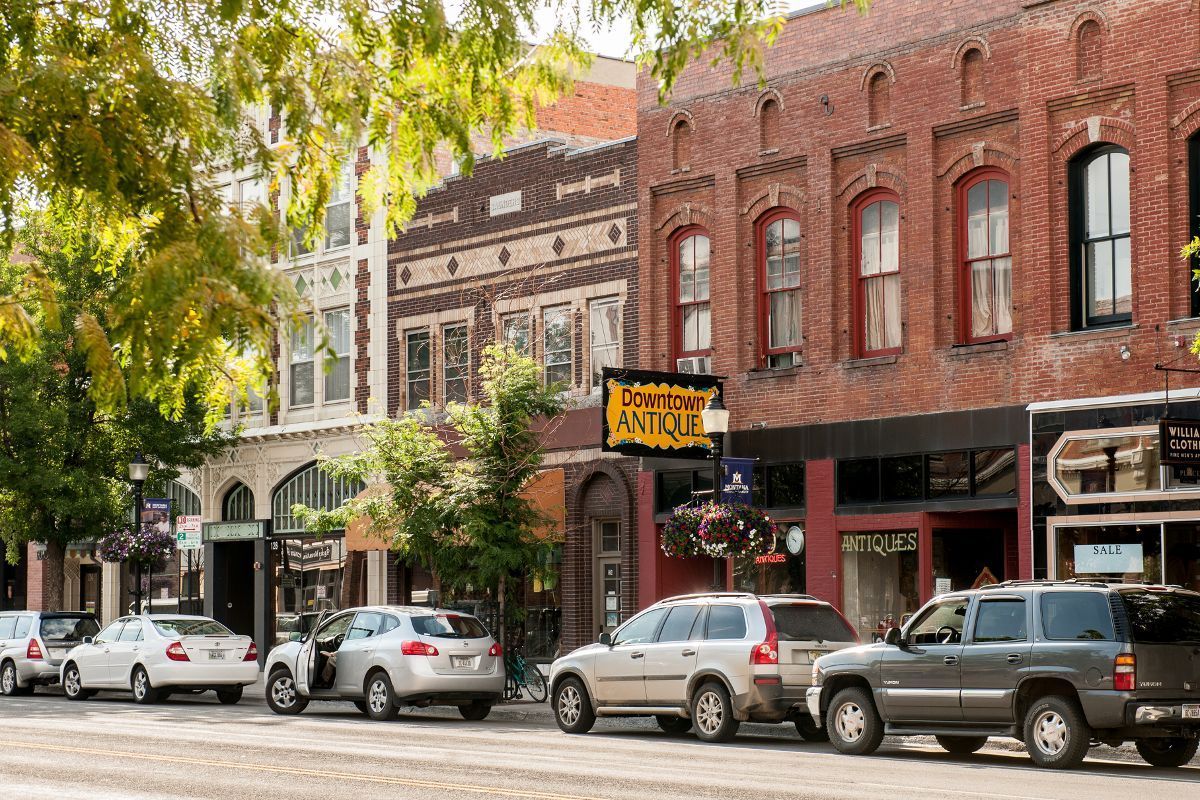
Livingston is a charming western town located alongside the Yellowstone River, surrounded by beautiful mountain scenery. It is known for its historic downtown area, which exudes an authentic western atmosphere, featuring well-maintained 19th-century buildings that accommodate numerous art galleries, independent boutiques, cafés, and restaurants, all reflecting the local artistic community.
The Livingston Depot Center offers a glimpse into the town's significant railroad heritage. The nearby Paradise Valley is renowned for its stunning landscapes, mountain views, diverse wildlife, and abundance of outdoor pursuits, including fishing, hiking, rafting, and wildlife watching. This helps make Livingston a popular destination for outdoor enthusiasts.
Custer Gallatin National Forest
Custer Gallatin National Forest covers nearly 2 million acres of varied terrain, featuring mountains, valleys, rivers, and forests, and uniting the historic Custer and Gallatin areas. Key routes like the Beartooth Highway showcase stunning vistas, while the forest is home to a diverse array of wildlife, including elk, bighorn sheep, deer, and bears. All of these species, plus others, are frequently observed by visitors.
Visitors can enjoy various popular activities, such as climbing the Absaroka and Beartooth Mountains, exploring alpine meadows, and hiking along picturesque trails. The waterways, abundant with trout, offer excellent fishing opportunities, along with camping, stargazing, and recreational activities like boating and swimming in numerous lakes. During the winter months, the area transforms into a winter sports destination ideal for skiing, snowboarding, and snowmobiling, particularly around Big Sky and Bridger Bowl.
Gardiner, Montana
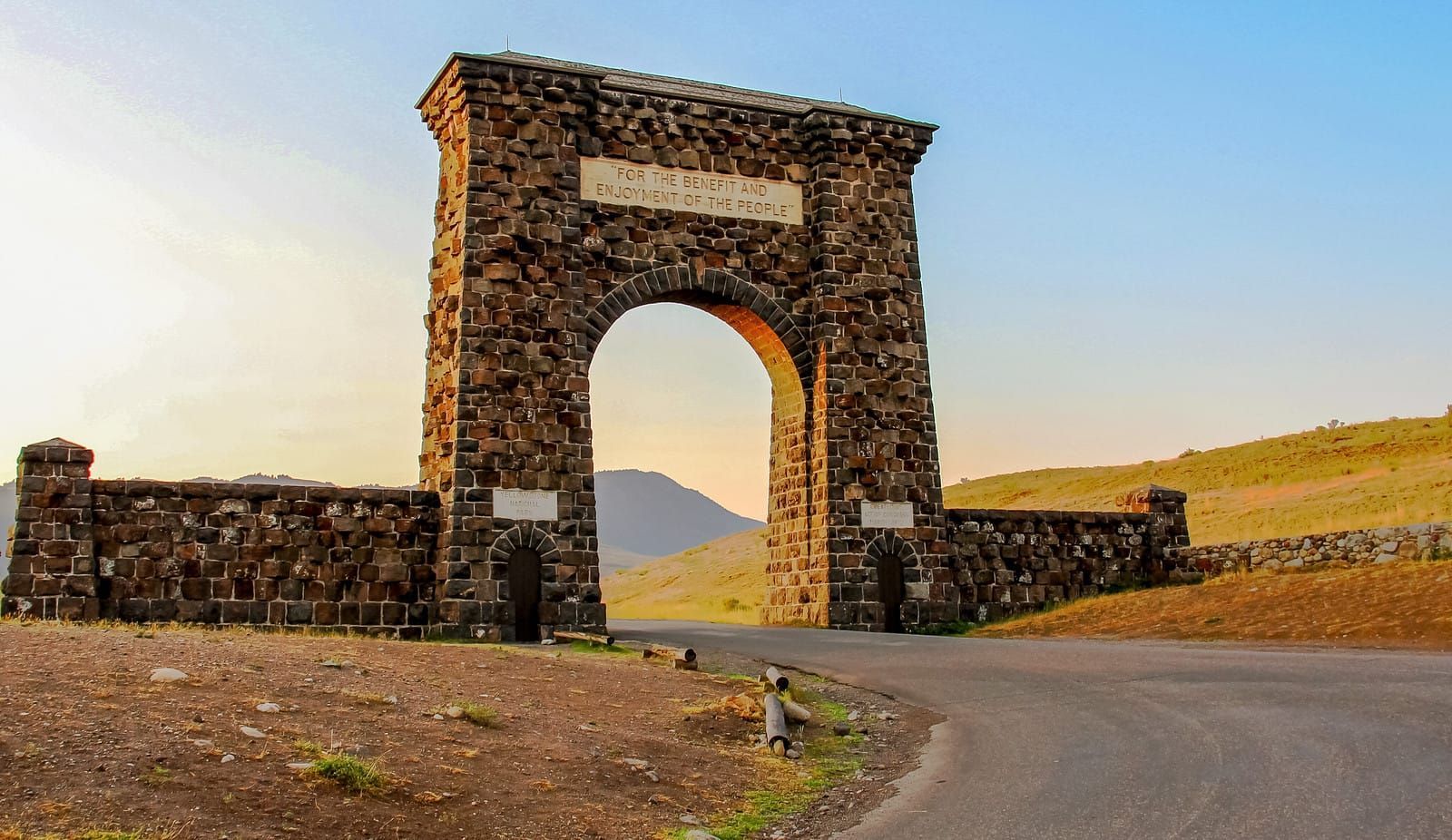
The final stop on any road trip from Glacier National Park to Yellowstone National Park, Gardiner, Montana, is a delightful town situated at Yellowstone’s north edge. Enveloped by the scenic Yellowstone River and striking mountains, it provides visitors the opportunity to stroll through its historic avenues, explore local shops, and dine alongside the river, all while enjoying views of the iconic Roosevelt Arch at the park's entrance.
During the summer months, activities like rafting and fishing on the Yellowstone River attract many visitors, while the nearby trails and forests offer great options for hiking and observing wildlife. In winter, the area's landscapes transform into a serene wonderland, with snow-covered scenery creating a calm atmosphere. Moreover, Gardiner features a variety of gift shops that generally offer more budget-friendly prices than those within Yellowstone National Park.
Final Thoughts On A Perfect Glacier National Park To Yellowstone National Park Road Trip Itinerary
As we end our guide to planning the perfect Glacier National Park to Yellowstone National Park road trip itinerary, you should now know everything you need for when you make the drive yourself. This includes when to go, how long it takes, where to stay, and what to see along the way. All that’s left is to decide what to take with you and start budgeting and booking everything, so you can look forward to enjoying it all for yourself as soon as possible.
Anyone wanting to make the drive longer can easily extend it into a Grand Teton, Yellowstone, and Glacier road trip. Check out our Yellowstone to Grand Canyon road trip guide to see how to continue beyond Yellowstone. Those with time could even complete the trip as part of a far longer US Route 89 road trip.
Our Grand Teton National Park guide and Yellowstone National Park guide will also be helpful, whether you take a Glacier National Park to Yellowstone National Park road trip, a US Route 89 road trip, or a Grand Teton, Yellowstone, and Glacier road trip.
Recent Posts