A perfect Seattle to Banff road trip itinerary takes you through the heart of the Canadian Rockies.
A 595-mile Seattle to Banff road trip takes you from Washington, in the United States, into Canada, through British Columbia, to “Wild Rose Country”, Alberta. You’ll drive past stunning National Parks and forests, overlooked cities, unique towns, and hidden gem natural attractions, as you travel from the United States’ Pacific Northwest to what is routinely ranked as the most beautiful location on Earth.
To plan a perfect road trip from Seattle to Banff National Park, we strongly suggest reading on.
A Perfect Seattle To Banff Road Trip Itinerary: How Far Is It, How Long Will It Take & What Is The Best Route?
A Seattle to Banff road trip covers 595 miles (958 km) and takes 10 hours and 15 minutes to drive. Despite its great length, the route is very simple.
You begin by heading north from Seattle on I-5 and following it to Exit 255, in Bellingham, Washington. Join Washington State Route 542 at its origin and follow it to Nugents Corner, Washington, then take Washington State Route 9 north to the Canadian border in Sumas, Washington. After emerging in Canada on British Columbia Highway 11, you will briefly follow it north before joining the Trans-Canada Highway and heading east.
Remain on the Trans-Canada Highway for 80 km (50 miles) until you reach Hope, British Columbia. When it bends left, veer right to follow British Columbia Highway 3 a short way, then join British Columbia Highway 5 at its origin and head north. When you reach the Trans-Canada Highway just west of Kamloops, British Columbia, rejoin it and follow it east the rest of the way to your destination, Banff, Alberta, in Banff National Park.
Best Time For A Seattle To Banff Road Trip
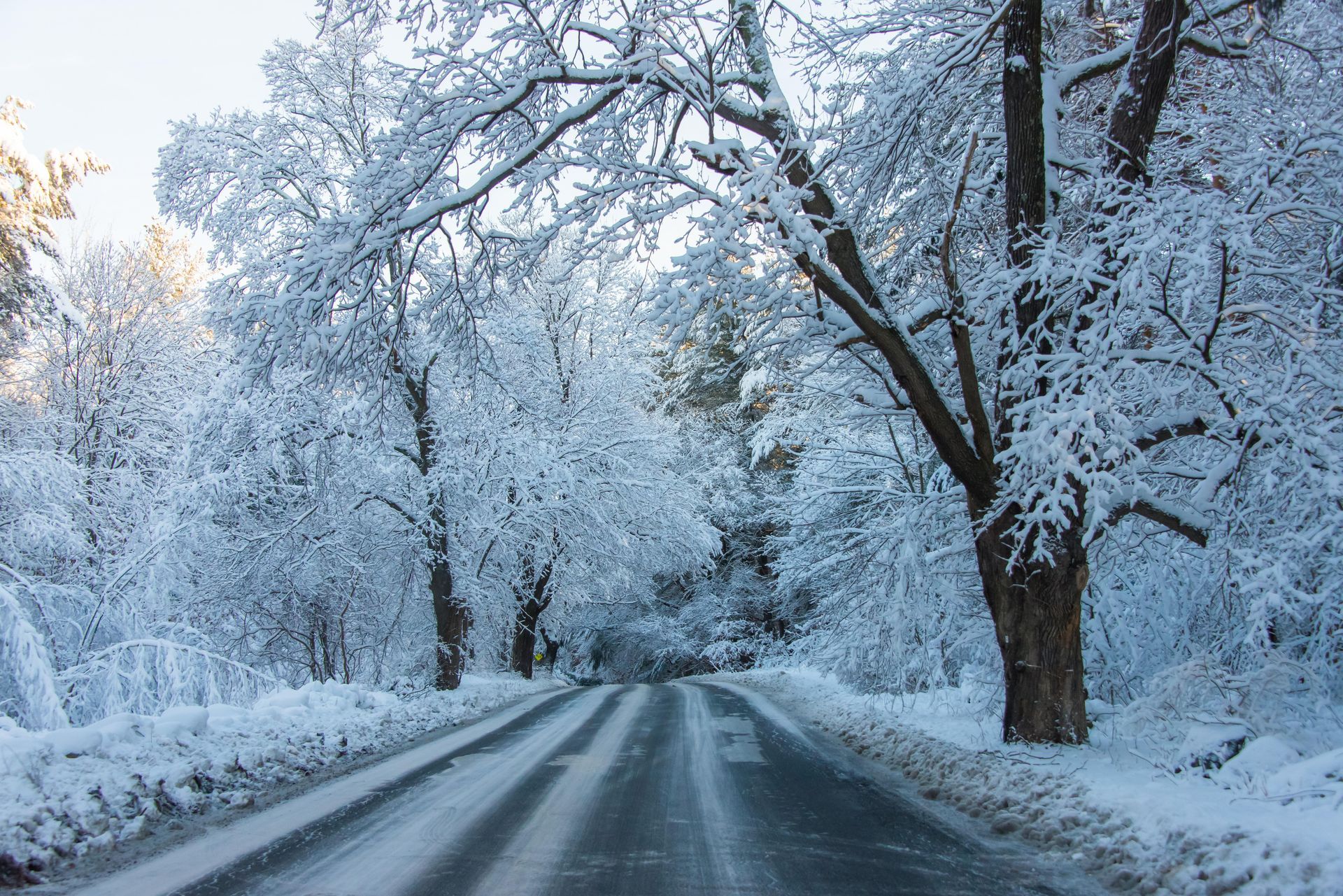
The best time for a Seattle to Banff road trip depends on why you are going. For most, the optimal time is July or August. This period is the region’s warm season, and the only time it doesn’t get any snow. This makes it ideal for people hoping to hike and take in the stunning scenery in pleasant conditions. All the route’s attractions and the park’s facilities will be open, too. However, this does mean the park will be quite busy.
For those planning to ski, the ideal time for a Seattle to Banff road trip is between mid-February and the end of March. This window ensures there has been enough time for the snow to accumulate and compact, creating ideal skiing conditions, while avoiding the brutally cold temperatures the region experiences in the depths of winter. The extended daylight during this time also enables you to spend more time on the slopes each day.
Best Places To Stop On A Perfect Seattle To Banff Road Trip Itinerary
With a Seattle to Banff road trip taking at least 10 hours to drive and passing so much stunning scenery, you will want to split it over multiple days to ensure you enjoy the journey. While there are several great places to stop on the route, one stands head and shoulders above the rest: Kamloops, British Columbia.
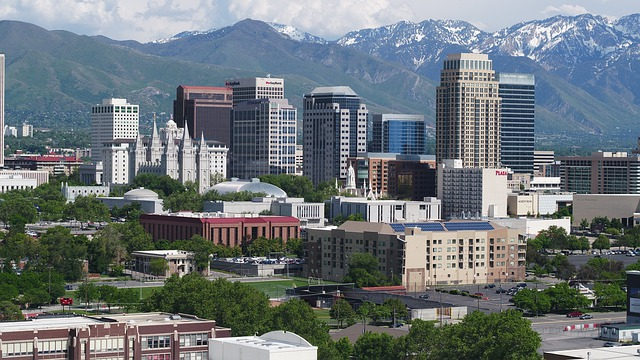
Kamloops, British Columbia
Located where the North and South Thompson Rivers converge, Kamloops is a friendly city embraced by rolling hills, forests, and striking canyon vistas in British Columbia's interior. Renowned for its warm, sunny weather, it serves as an ideal hub for outdoor activities year-round. Visitors can hike or bike along the vast trails in Kenna Cartwright Park, kayak on the Thompson River, or boat, fish, and swim at nearby lakes.
In addition to its stunning landscapes, Kamloops boasts a warm atmosphere and a vibrant cultural scene rich in history and entertainment. The dynamic downtown area is home to a variety of local shops, galleries, breweries, and eateries, and establishments including the Kamloops Museum and Archives detail the region's Indigenous history, pioneer past, and railway development.
Wildlife enthusiasts can explore the BC Wildlife Park to observe rescued native species, including bears, cougars, and birds of prey. During the winter months, the city's proximity to Sun Peaks Resort attracts visitors for skiing, snowboarding, and various snow-related sports.
Best Hotel To Stay At In Kamloops, British Columbia – Riverland Inn & Suites
Nestled along the banks of the South Thompson River, Riverland Inn & Suites is a tranquil, convenient, 3-star waterfront retreat in central Kamloops. Each morning, guests can savour a complimentary hot breakfast before venturing out to explore nearby parks, wineries, and hiking trails. After a day of activities, the hotel's heated indoor pool, hot tub, and picnic and BBQ area by the river offer perfect spots for relaxation.
The hotel features a variety of comfortable, spacious rooms and suites that can accommodate couples, families, and groups. Standard amenities include comfortable beds, free Wi-Fi, flat-screen cable TV, air conditioning, heating, tea and coffee-making facilities, a sitting area, ironing equipment, a hairdryer, and complimentary toiletries.
Many rooms boast picturesque views of the river or mountains, with select accommodations offering balconies, kitchenettes, spacious family suites, or relaxing Jacuzzi tubs. Additional conveniences, such as free parking, sitewide Wi-Fi, and self-service laundry facilities, enhance the experience for both short and long-term visitors.

The 10 Best Things To See On A Seattle To Banff Road Trip Itinerary
Mount Baker-Snoqualmie National Forest
Covering over 2.5 million acres, Mount Baker-Snoqualmie National Forest is the United States’ 14th-largest National Forest and Washington’s second largest, surpassed only by Okanogan-Wenatchee. Established on February 22, 1897, it is the oldest National Forest in Washington and the 12th oldest in the country. The forest stretches along the western slopes of the Cascade Range, showcasing a remarkable blend of alpine environments, glacial peaks, and lush old-growth forests.
At its heart lies Mount Baker, an active stratovolcano known for its breathtaking snow-capped summit and exceptional skiing opportunities at the Mount Baker Ski Area. Visitors can explore a diverse range of hiking trails, including those that traverse the rugged wilderness of the North Cascades and scenic routes like the Mount Baker Highway, which offers expansive views of the surrounding mountains, valleys, and waterfalls.
Rich in wildlife, Mount Baker-Snoqualmie National Forest provides numerous outdoor recreational activities year-round. The summer months welcome hiking, camping, fishing, and mountain biking, while the winter transforms the landscape into a paradise for skiing, snowshoeing, and snowboarding. The Heather Meadows area bursts with wildflower meadows, and the Alpine Lakes Wilderness is perfect for backcountry adventures.
North Cascades National Park
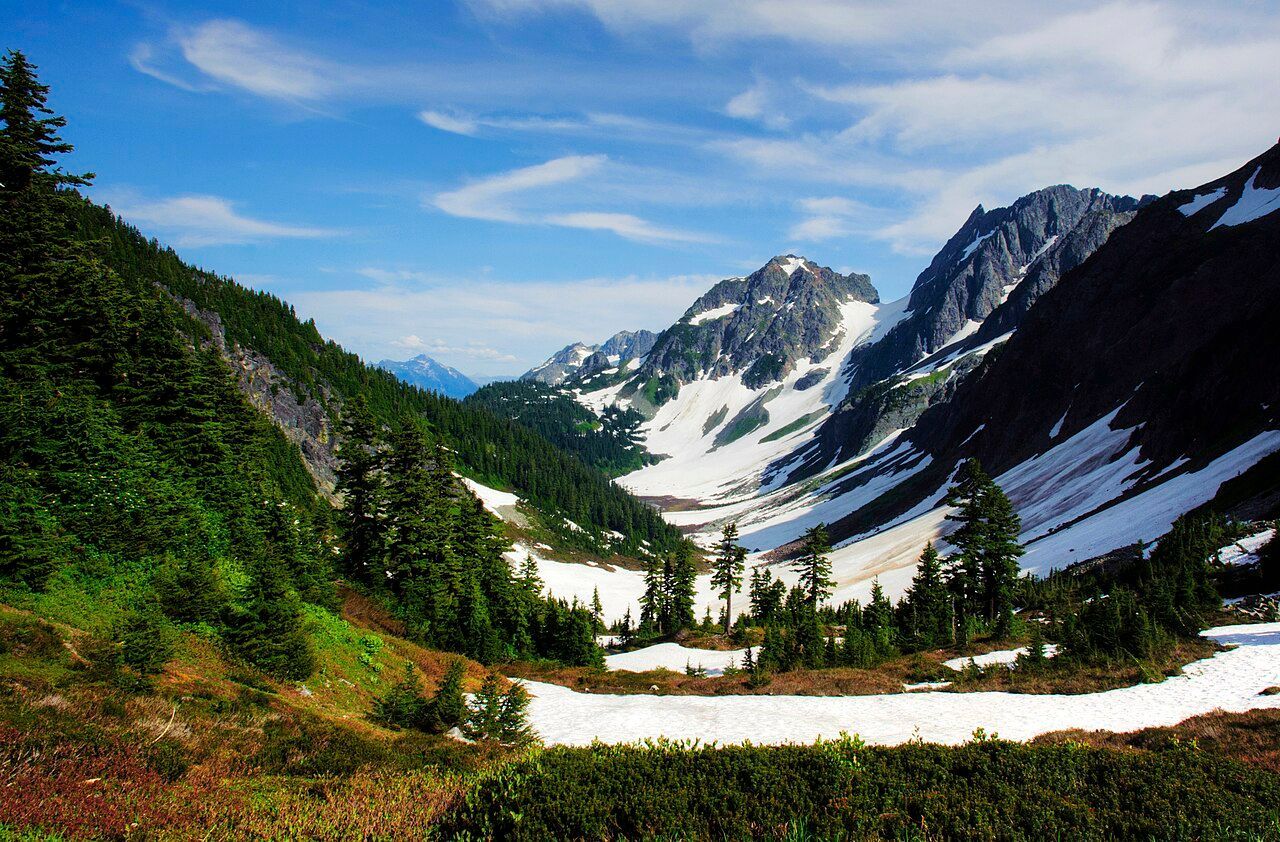
North Cascades National Park is among the most breathtaking yet least-frequented national parks in the United States (7th-least in the nation and 2nd-least in the Lower 48), featuring stunning mountain vistas, over 300 glaciers, and expansive wilderness areas. Frequently referred to as the "American Alps," the park showcases sharp peaks, alpine meadows, turquoise lakes, cascading waterfalls, backcountry trails, and lush forests.
It is a haven for hikers, photographers, and wildlife watchers, who may encounter black bears, mountain goats, bald eagles, and various native fauna. The picturesque North Cascades Highway travels through the park, offering scenic drives and spectacular viewpoints that require little walking. Top stops include Diablo Lake, famous for its vibrant emerald waters, and Ross Lake, where activities like boating, kayaking, and fishing are popular.
Lynden, Washington
Set just a few miles south of the Canadian border, Lynden is a delightful small town in northwest Washington, celebrated for its rich Dutch heritage. It features unique windmill-style architecture, vibrant flower displays, and a welcoming, family-oriented environment. Visitors are encouraged to wander along Front Street, where they can explore local boutiques, bakeries, antique stores, and cafés showcasing the town’s European influences.
Attractions include the historic downtown area, the Lynden Pioneer Museum, and nearby farms and berry fields that highlight the area's agricultural background. Seasonal festivities like the Northwest Washington Fair and summer flower exhibitions enhance its charm for vacationers. Additionally, Lynden offers a strategic location for discovering Bellingham, the picturesque Mount Baker region, and the surrounding countryside.
Abbotsford, British Columbia
Abbotsford sits in the Fraser Valley, nestled between lush farmland, stunning mountains, and the US Border. British Columbia’s 5th-most populous city and most populous outside the Vancouver Metro, it integrates a charming rural atmosphere with urban amenities and outdoor activities. It boasts a rich agricultural history, featuring seasonal berry farms, vineyards, cideries, and farmers' markets that let visitors enjoy fresh, local produce.
The city fosters a vibrant arts and cultural scene, highlighted by galleries, theatres, and museums showcasing the area's history and cultural diversity. Aviation fans can explore the Canadian Museum of Flight, and shoppers will enjoy the various boutiques and major retail outlets. The city's parks and trails, such as those in Mill Lake Park, provide excellent spots for walking, cycling, and picnicking, and the nearby mountains offer fantastic hiking opportunities adorned with breathtaking views.
Niskonlith Lake Provincial Park
Niskonlith Lake Provincial Park is a tranquil lakeside haven hidden amongst forests and gentle hills in British Columbia's Thompson region. Situated along the banks of Niskonlith Lake, it attracts campers, anglers, and families eager to experience the peacefulness of nature, far from more crowded locations. The lake's clear, calm waters are perfect for summer activities, such as swimming, canoeing, kayaking, and paddleboarding.
Fishing lovers can try their hand at catching rainbow trout. A quiet campground offers convenient lake access and caters to tents and recreational vehicles, making it an ideal spot for a weekend escape. Short trails through the nearby woodlands help visitors observe local birds and wildlife, while the serene environment is suitable for picnics, photography, or simply relaxing by the water.

Glacier National Park
Glacier National Park is a breathtaking mountain wilderness in the Selkirk Mountains, not to be confused with Glacier National Park in Montana. Famous for its towering summits, ancient glaciers, dense cedar forests, and striking alpine landscapes, it was established in 1886 and stands as one of Canada's oldest national parks. It provides visitors with exceptional opportunities to appreciate the rugged beauty of British Columbia.
The Trans-Canada Highway traverses the park, providing scenic drives and granting easy access to many of its stunning viewpoints and trailheads. Guests can explore a variety of hiking trails, ranging from easy forest walks to more challenging alpine paths that showcase glaciers, meadows, wildflowers, and impressive waterfalls.
Notable attractions include the area's significant avalanche-control measures and Rogers Pass National Historic Site, where engaging exhibits narrate the history of the railway and highway that linked Canada's western regions. Visitors may encounter wildlife such as mountain goats, black bears, and marmots, making the park popular with photographers and wildlife enthusiasts.
Golden, British Columbia
Golden is a charming mountain community between the Rocky and Purcell Mountains in southeast British Columbia. Known for remarkable scenery, it attracts many outdoor enthusiasts and is a hub for visiting some of Canada’s most stunning national parks. Golden’s highlight is the Golden Skybridge, featuring two of Canada's tallest suspension bridges over a dramatic canyon and providing awe-inspiring views of the surrounding mountains.
Visitors can also enjoy the tranquil riverside paths, mountain vistas, local cafés, craft breweries, and the inviting atmosphere typical of small-town life. Summer activities include hiking, mountain biking, rafting, wildlife viewing, and fishing, while the winter season offers fantastic skiing and snowboarding opportunities at the nearby Kicking Horse Mountain Resort.
Wapta Falls
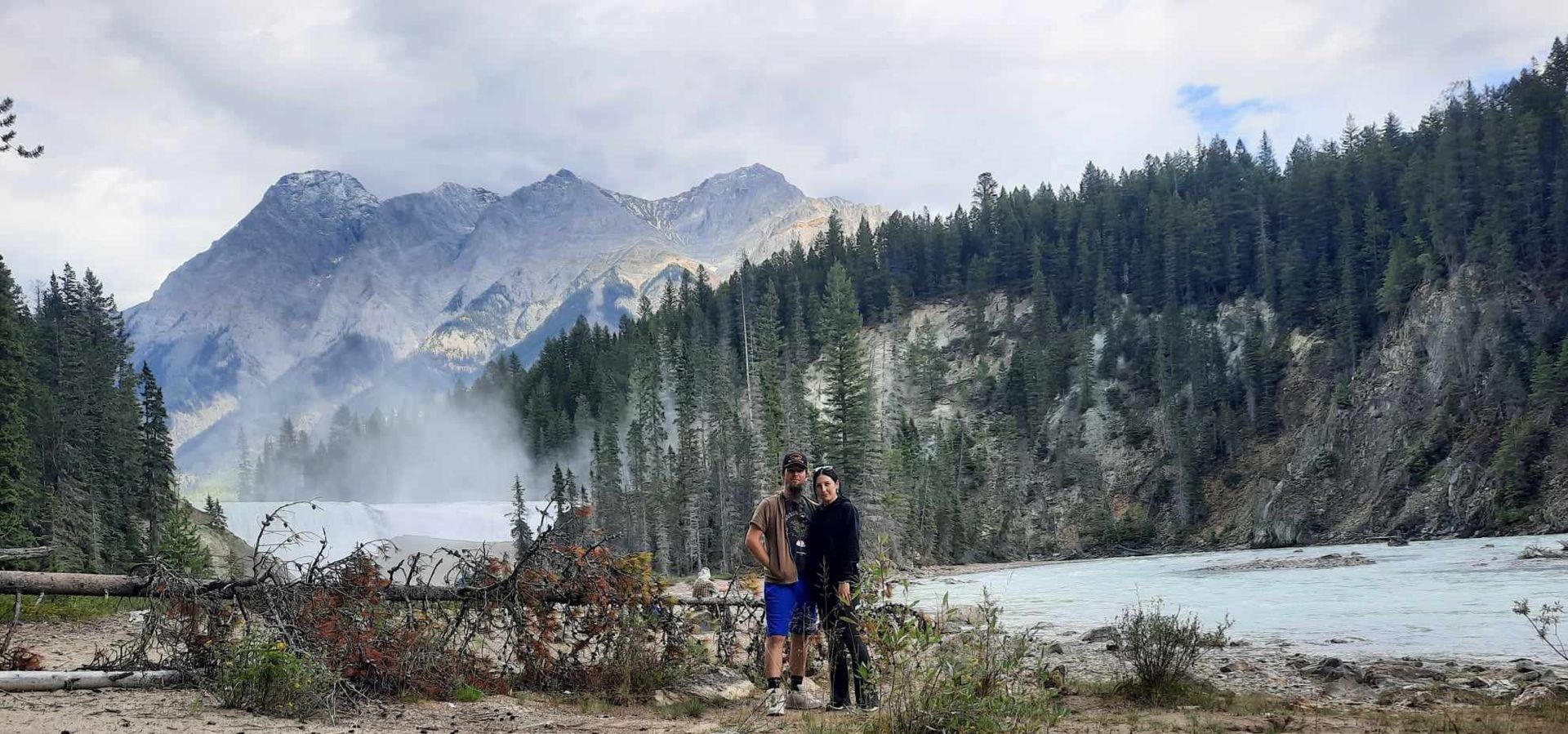
Wapta Falls stands as one of the most magnificent waterfalls in the Canadian Rockies. Situated on the edge of Yoho National Park and conveniently accessible from the Trans-Canada Highway, it derives its power from the Kicking Horse River, cascades approximately 30 metres (98 feet) down a wide cliff, generating a breathtaking water curtain that spans nearly 150 metres (500 feet) in width.
Remarkably, despite its grandeur, Wapta Falls is relatively free from crowds, allowing visitors to enjoy a tranquil and memorable experience in an extraordinary natural environment. A well-kept hiking path of about 4.5 kilometres (2.8 miles) round trip meanders through a picturesque forest, leading to many outstanding viewpoints.
For those seeking adventure, it is possible to venture down to the rocky shore near the waterfall's base, where the powerful sound and refreshing mist create an unforgettable experience. The region is abundant in wildlife and stunning mountain vistas, making it perfect for photography and leisurely nature walks.
Yoho National Park
Yoho National Park is a stunning wilderness in the Canadian Rockies, celebrated for its lofty mountain peaks, vibrant lakes, swift rivers, and ancient forests. Founded in 1886, it is recognised as part of the Canadian Rocky Mountain Parks UNESCO World Heritage Site. Visitors can enjoy outdoor activities, such as hiking, canoeing, photography, and wildlife spotting, as well as scenic drives past breathtaking views.
The picturesque Trans-Canada Highway runs through the park, providing easy access to many of its natural wonders. Visitors can traverse a diverse array of hiking paths that lead to alpine meadows, impressive viewpoints, and untouched backcountry terrain. Notable features include the striking turquoise waters of Emerald Lake, the impressive natural stone bridge over the Kicking Horse River, and the soaring Takakkaw Falls, one of Canada’s tallest waterfalls. The park is also home to a variety of wildlife, including elk, black bears, mountain goats, and marmots.
Lake Louise, Alberta
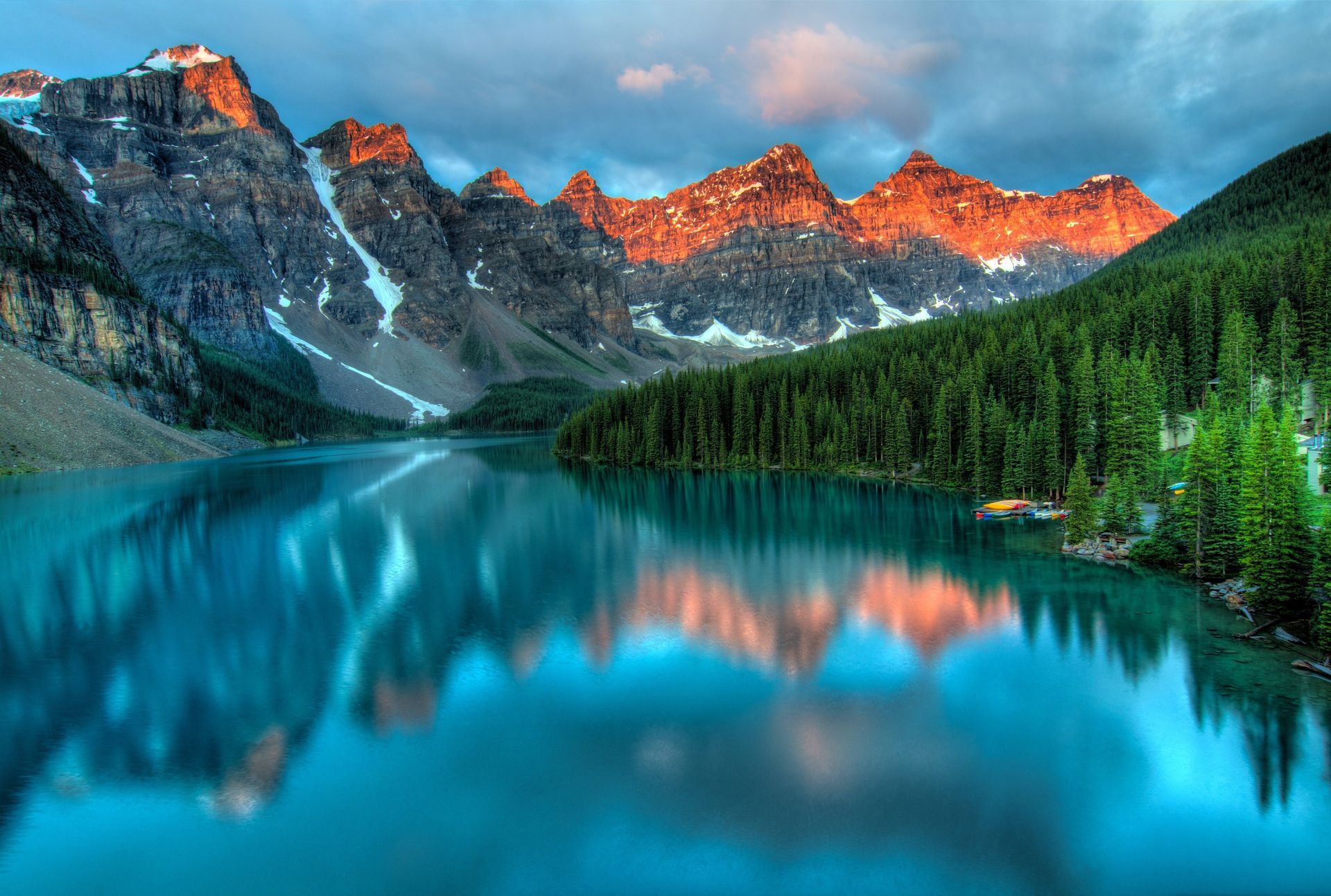
Lake Louise is a resort town providing access to Moraine Lake and the eponymous Lake Louise, two of the most renowned attractions in the Canadian Rockies. While technically part of Banff National Park, it lies off to the side and sits directly on our route, making a perfect final stop on a Seattle to Banff road trip.
Lake Louise is celebrated globally for its stunning turquoise waters, encircled by towering mountain peaks and the impressive Victoria Glacier. Just a short drive away, Moraine Lake enchants guests with its striking blue waters nestled in the breathtaking Valley of the Ten Peaks, itself known as one of the most photographed landscapes in Canada.
The town is a friendly hub for visitors looking to explore nearby natural attractions, with hotels, restaurants, cafés, and outdoor gear providers available year-round. During the summer months, popular activities include hiking, canoeing, and wildlife observation, while winter turns the region into a sought-after location for skiing, snowboarding, and snowshoeing at the adjacent Lake Louise Ski Resort.
Final Thoughts On A Perfect Seattle To Banff Road Trip Itinerary
That concludes our guide to planning the perfect Seattle to Banff road trip itinerary. You should now know when to go, which route to take, how long it is, where to stay, and what to see along the way. All that’s left is to decide what to take with you, and then you can start booking and budgeting everything, so you can look forward to enjoying it all for yourself as soon as possible.
Anyone interested in continuing the drive may also enjoy our Banff to Jasper road trip guide, available here.
Recent Posts