A perfect Glacier to Banff road trip itinerary takes you between two of North America’s most breathtaking destinations.
A 265-mile Glacier to Banff road trip takes you from “Big Sky Country”, Montana, in the United States, into “Wild Rose Country”, Alberta, in Canada. You’ll drive past beautiful provincial and national Parks, historic cities, vibrant Indian reservations, and unique natural attractions, as you travel through one of North America’s most stunning regions to a destination frequently ranked as the most beautiful location on Earth.
To plan a perfect road trip from Glacier National Park to Banff National Park, read on.
A Perfect Glacier To Banff Road Trip Itinerary: How Far Is It, How Long Will It Take & What Is The Best Route?
A Glacier to Banff road trip covers 265 miles (426 km) and takes 4 hours and 35 minutes to drive.
You begin by following Going-To-The-Sun Road/Glacier Route 1 Road to the Saint Mary Glacier National Park entrance, then heading north on US Route 89/National Park Highway. After crossing Kennedy Creek, turn left onto Montana Highway 17/Chief Mountain Highway and drive its 14-mile (22.5-km) length to the Chief Mountain Border Station at the Canadian border.
After emerging in Canada on Alberta Highway 6, you’ll follow it 73.5 km (45.7 miles) north to its conclusion in Pincher Station, Alberta. Turn left to briefly go west on Alberta Highway 3, then turn right to join Alberta Highway 22 at its origin. Take this north to the outskirts of Calgary, Alberta, then turn left to follow Trans-Canada Highway 1 the rest of the way to your destination, Banff, Alberta, in Banff National Park.
Best Time For A Glacier To Banff Road Trip
The ideal time for a Glacier to Banff road trip depends on the purpose of your visit. For many travellers, July and August are the best months, as the weather is warmest and the area is free of snow, making it perfect for hiking and enjoying the area's breathtaking views. During this time, all attractions along the route and the national park's facilities are operational; however, the park tends to be quite crowded, too.
Conversely, if skiing is your focus, the best time for your trip is from mid-February to the end of March. This timeframe allows for sufficient snowfall and compaction, establishing optimal skiing conditions while missing the extreme cold typically felt in the heart of winter. Additionally, the longer daylight hours during these weeks provide more opportunities to enjoy the slopes.
Best Places To Stop On A Perfect Glacier To Banff Road Trip Itinerary
With a Glacier to Banff road trip taking just over 4.5 hours, many people aim to drive it in one day. However, as you pass so much stunning scenery and so many great attractions, our advice is to split it over multiple days to ensure you can enjoy the journey. There are several great places to make an overnight stop on the route, but none come close to offering what Calgary, Alberta, Canada does.
Calgary, Alberta, Canada
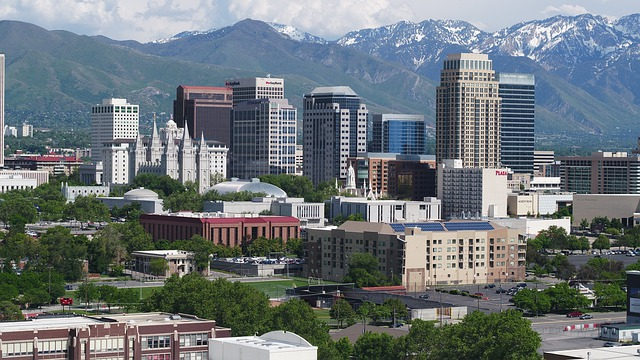
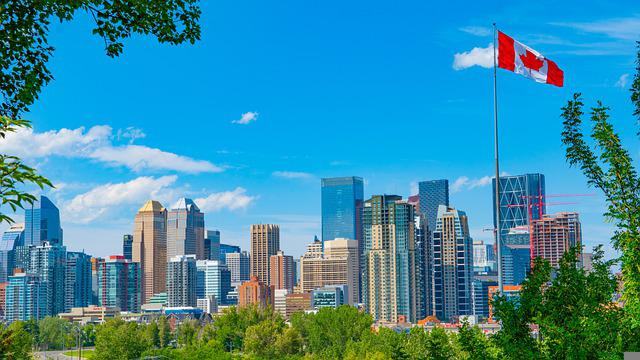
Calgary, the largest city in Alberta and the third-largest in Canada, is a lively destination where contemporary urban living coexists with the stunning landscapes of the Canadian Rockies. Renowned for the yearly Calgary Stampede, “The Stampede City” embraces its western roots through rodeos, live performances, and cowboy culture, while also providing top-notch dining, shopping, and cultural venues year-round.
Visitors can take in breathtaking vistas from the Calgary Tower, visit the remarkable exhibits at Studio Bell and Heritage Park Historical Village, or enjoy leisurely walks along the picturesque Bow River paths. Vibrant neighbourhoods such as Kensington and Inglewood are brimming with unique shops, cafés, breweries, and art galleries.
Outdoor enthusiasts can relish expansive urban parks like Prince’s Island Park and Fish Creek Provincial Park. Families will find attractions perfect for all ages, including the Calgary Zoo and TELUS Spark Science Centre. With its welcoming vibe, strong transportation options, and mix of culture, history, and outdoor activities, Calgary is a fantastic spot for both short getaways and longer stops.
Read our guide to the 10 best things to do in Calgary, Alberta, Canada here.
Best Hotel To Stay At In Calgary, Alberta, Canada – The Fairmont Palliser
The Fairmont Palliser is a historic and luxurious 4-star hotel situated at the base of the Calgary Tower in Downtown Calgary. Its elegant decor, excellent facilities, and ideal location offer guests utmost comfort and convenience during their stay. The property includes an on-site restaurant, a Starbucks, a swimming pool, a fitness centre, a steam room, a spa, and laundry and dry cleaning services.
The spacious, air-conditioned rooms are pet-friendly and equipped with comfortable furnishings and amenities including a coffee maker, a flat-screen cable TV, a work desk, a mini-bar, and a private bathroom with a bathrobe and hairdryer. Some rooms come with a seating area and provide panoramic views of the city. Guests can also enjoy free Wi-Fi access throughout the premises, as well as secure parking for an extra fee.
The 9 Best Things To See On A Glacier To Banff Road Trip Itinerary
Blackfeet Indian Reservation
The first stop on any Glacier to Banff road trip originating at the St. Mary entrance is the Blackfeet Indian Reservation. Situated in a breathtaking section of northwest Montana adjacent to Glacier National Park, the area features a diverse landscape that shifts from impressive mountain views to undulating prairies. It allows visitors to engage deeply with the stunning landscapes and rich culture of the Blackfeet Nation.
Attractions such as the Museum of the Plains Indian provide meaningful insight into the history, customs, and artistic heritage of the Blackfeet people. Year-round cultural events, powwows, and local businesses highlight traditional music, dance, crafts, and authentic Native hospitality. For outdoor enthusiasts, there are numerous options available for scenic drives, wildlife viewing, fishing, hiking, and photography, particularly in the beautiful Two Medicine region.
Waterton Lakes National Park
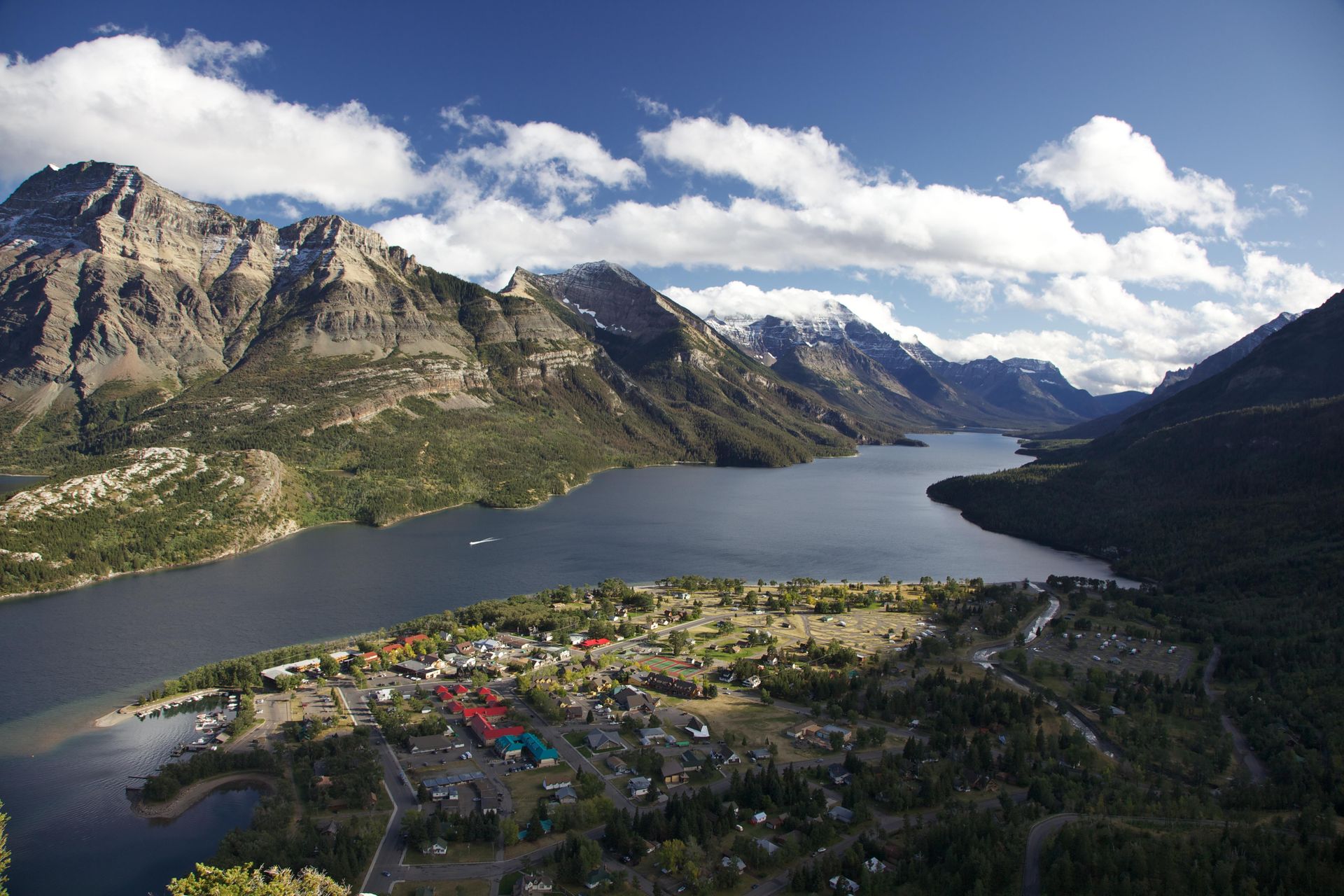
Waterton Lakes National Park stands out as one of Canada’s most picturesque mountain locations, situated where the Rocky Mountains converge with the expansive prairie in southwestern Alberta. As part of the UNESCO-designated Waterton-Glacier International Peace Park, which connects to Glacier National Park across the US-Canada border, it boasts stunning lakes, striking peaks and waterfalls, and a wide variety of wildlife.
Its inhabitants include bighorn sheep, black bears, elk, and deer. Guests can take scenic drives or boat cruises on Upper Waterton Lake, walk hiking trails suitable for all levels, and visit breathtaking viewpoints, such as Red Rock Canyon and Cameron Lake. The quaint townsite of Waterton offers inviting cafés, shops, and accommodations, and the renowned Prince of Wales Hotel provides a magnificent view of the lake from its hillside perch.
Black Creek Heritage Rangeland
Black Creek Heritage Rangeland is a serene natural area in southern Alberta. It is dedicated to conserving a stunning portion of native fescue grassland, one of Canada’s rarest prairie ecosystems, and its deer, birds of prey, and other native species. Situated east of Waterton Lakes National Park, this site allows visitors to immerse themselves in the expansive landscapes that were once prevalent across the Canadian Prairies.
The rangeland is a favoured spot for activities such as hiking, wildlife observation, photography, and peaceful picnicking. The sweeping views of the Rocky Mountains create a breathtaking backdrop, particularly during sunrise and sunset. Perfect for those seeking peace and untouched beauty, Black Creek Heritage Rangeland provides a genuine insight into Alberta's natural prairie legacy.
Bob Creek Wildland Provincial Park
Bob Creek Wildland Provincial Park is a rugged wilderness region situated along the eastern slopes of Alberta's Rocky Mountains, boasting breathtaking landscapes and an authentic backcountry experience. The park encompasses rolling foothills, wooded valleys, alpine meadows, and pristine mountain streams that serve as habitats for a variety of wildlife, including elk, moose, deer, black bears, and numerous bird species.
Visitors can partake in activities such as hiking, horseback riding, wildlife observation, fishing, backcountry camping, and enjoying expansive vistas of nearby mountains. With few developed amenities, the park caters to adventurous travellers who prefer tranquil, untouched nature over overcrowded tourist spots. Bob Creek Wildland Provincial Park is an ideal location for experiencing Alberta's wilderness in its most serene and genuine form.
Bluerock Wildland Provincial Park
Bluerock Wildland Provincial Park is a picturesque wilderness area in the foothills of Alberta, adjacent to the eastern slopes of the Rocky Mountains and close to the Sheep River Valley. It conserves forests, alpine meadows, rugged outcrops, and pristine streams, creating an ideal environment for nature lovers and wildlife enthusiasts and serving as a perfect retreat for those in search of adventure and the peace of Alberta’s wilderness.
Tourists can engage in activities such as hiking, horseback riding, mountain biking, fishing, and backcountry camping while immersing themselves in the serene natural surroundings. The region’s diverse wildlife includes elk, bighorn sheep, deer, black bears, and numerous bird species, providing exceptional opportunities for wildlife observation amid stunning mountain vistas, tranquil trails, and undisturbed nature.
Height of the Rockies Provincial Park
Height of the Rockies Provincial Park is an extensive wilderness area ideal for the adventurous. Located in southeast British Columbia, directly across the border from Alberta, it features a stunning landscape characterised by towering mountains, glaciers, alpine lakes, dense forests, and untouched river valleys. Nestled between Banff National Park and the Kootenay region, it’s a haven for seasoned hikers, backpackers, anglers, and nature lovers.
The park’s vibrant wildlife includes grizzly and black bears, mountain goats, bighorn sheep, elk, and many bird species, making wildlife watching a significant attraction. With limited developed facilities, it showcases nature in its most unrefined form, offering an authentic backcountry experience where visitors can revel in breathtaking views, tranquillity, and some of the most pristine mountain scenery in the Canadian Rockies.
Peter Lougheed Provincial Park
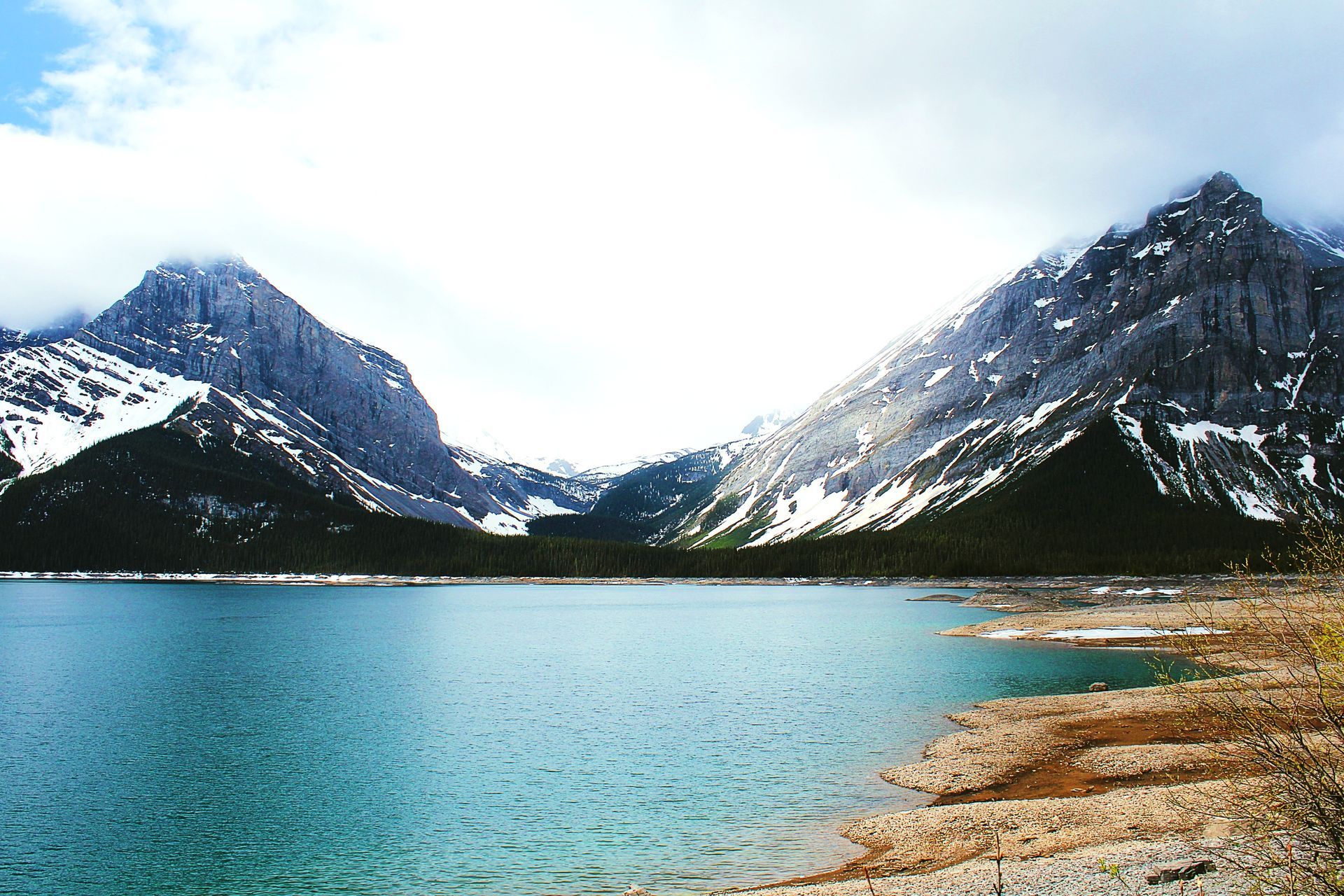
Peter Lougheed Provincial Park, in central Kananaskis Country, is among Alberta's premier mountain parks. Famed for its stunning turquoise lakes, towering peaks, waterfalls, and lush forests, it presents breathtaking views year-round. Guests can explore picturesque hiking trails surrounding Upper and Lower Kananaskis Lakes, engage in activities such as paddling on clear waters, cycling, fishing, and camping, or enjoy picnic areas.
Wildlife enthusiasts can also observe animals such as elk, moose, bighorn sheep, black bears, and grizzly bears. During the winter, it transforms into a sought-after spot for cross-country skiing and snowshoeing. Offering a more tranquil alternative to the nearby Banff National Park, Peter Lougheed Provincial Park delivers a serene Rocky Mountain experience with outstanding opportunities for outdoor recreation and stunning natural beauty.
Stoney 142, 143, 144 Indian Reserve
Stoney 142, 143, 144 Indian Reserve is Canada’s third-largest Indian reservation by land area. The territory of the Îyârhe Nakoda (Stoney Nakoda) First Nation, the ancestral lands stretch across the eastern slopes of Alberta's Rocky Mountains and the Kananaskis region. Nestled amidst stunning mountain vistas, lush forests, and flowing rivers, the reserve embodies a deep Indigenous heritage intricately tied to this landscape for generations.
Those who visit the area can recognise its cultural importance while taking in scenic drives and the reserve’s native wildlife, and enjoying hiking and photography. Respectful visitors might also discover Indigenous art, cultural celebrations, and locally run businesses that provide a glimpse into the traditions and history of the Stoney Nakoda and their ongoing connection to the natural world.
Ghost Lake
Ghost Lake Reservoir is a scenic mountain lake in Alberta. Nestled beside the Trans-Canada Highway, between Calgary and Canmore, it receives its water supply from the Bow River. Encircled by striking views of the Rocky Mountain foothills, it is a popular photo stop on a Glacier to Banff road trip and a favoured location for activities such as sailing, windsurfing, kayaking, paddleboarding, fishing, and picnicking.
Its shoreline provides excellent birdwatching and wildlife observation opportunities. During the winter months, the frozen lake draws ice fishing enthusiasts and adventurous kite skiers. With its stunning landscapes and convenient access, Ghost Lake Reservoir is a perfect spot to unwind and appreciate Alberta's breathtaking mountain vistas.
Final Thoughts On A Perfect Glacier To Banff Road Trip Itinerary
That concludes our guide to planning a perfect Glacier to Banff road trip itinerary. You should now know when to go, which route to take, how long it is, where to stay, and what to see along the way. All that’s left is to decide what to take with you, and then you can start booking and budgeting everything, so you can look forward to enjoying it all for yourself as soon as possible.
Anyone looking to extend their Glacier National Park to Banff road trip may also enjoy our selection of guides on road trips from Banff, Alberta. These include:
A perfect Banff to Jasper road trip itinerary (This doubles as a Banff National Park guide)
The ultimate Banff to Vancouver road trip
Recent Posts