The ultimate Denver to Las Vegas road trip takes you from the Rocky Mountains to the Nevada Desert.
An 800-mile Denver to Las Vegas road trip takes you from Colorado, through Utah and briefly Arizona, to “The Silver State”, Nevada. You will drive past unique towns, ghost towns, stunning landscapes, and “Utah’s Mighty 5” National Parks, as you travel from the highest city in the nation to one of the most iconic cities on Earth, Las Vegas, Nevada.
Read on for help planning the ultimate Denver to Las Vegas road trip itinerary.
A Denver To Las Vegas Road Trip: How Far Is It, What Is The Best Route, & How Long Will It Take?
The shortest Denver to Las Vegas road trip distance is 750 miles, taking 11 hours to drive. However, the best road trip from Denver to Las Vegas route covers 800 miles and takes 13.5 hours to drive.
Begin by taking I-70 west out of Denver, Colorado, and following it for 355 miles to Exit 149. Join Utah State Route 24 at its origin and follow it 120 miles to Torrey, Utah. Turn left onto Utah State Route 12 and follow it for its 123-mile duration. When it ends, turn left onto US Route 89, also known as “The National Park Highway”, and follow it south to Mount Carmel Junction.
Turn right onto Utah State Route 9 and follow it through Zion National Park to La Verkin, Utah. At the junction, bear right onto North State Street/Toquerville Parkway and head north to Anderson Junction. Now turn left onto the I-15 and follow it the remaining 140 miles to Las Vegas, Nevada.
Best Time For A Denver To Las Vegas Road Trip
The best time for a Denver to Las Vegas road trip is May or September. These months provide warm, dry weather that isn’t too hot throughout your route and at your destination. It also avoids the huge crowds of tourists that descend on Las Vegas and some of the attractions along our route at the height of summer. You will also find all of Las Vegas’ and our route’s attractions open at these times.
Best Place To Stop On A Denver To Las Vegas Road Trip – Moab, Utah
With 13.5 hours of driving on our Denver to Las Vegas road trip, anyone wanting to enjoy the journey will need to split it over multiple days. There are many great places along the route to make an extended stay, but none are as good as Moab, Utah. Located just a short detour from our route, minutes from the entrance to Arches National Park, Moab is a lively desert town known as one of the top adventure destinations in the American Southwest.
Enclosed by stunning red rock formations and expansive blue skies, Moab acts as the entry point to both Arches National Park and Canyonlands National Park (more on those later). Tourists flock to the area for its breathtaking landscapes and diverse outdoor activities, such as hiking, mountain biking on exceptional trails, rock climbing, and off-roading through rugged desert terrain.
The town itself exudes a laid-back, outdoorsy atmosphere, offering a vibrant mix of local bars and dining options, equipment and souvenir shops, and tour companies tailored for adventurers. The nearby Colorado River provides opportunities for both rafting and scenic floats, while the surrounding desert is perfect for stargazing due to its unpolluted night skies.
Whether you’re after exhilarating adventures or wish to enjoy the stunning vistas, Moab serves as an unforgettable mid-point on a Denver to Las Vegas road trip from which to explore Utah’s natural splendour.
Best Hotel To Stay At In Moab, Utah – Fairfield Inn & Suites by Marriott Moab
Situated in the heart of Moab, just 2.3 miles from the entrance to Arches National Park, Fairfield Inn & Suites by Marriott Moab is a remarkable hotel that offers breathtaking views alongside luxurious amenities. Each room is equipped with an en-suite bathroom, air conditioning, a sofa, a flat-screen cable TV, a microwave, a refrigerator, a hairdryer, and contemporary furnishings.
The property features business and fitness centres, a swimming pool, a hot tub, and laundry services to cater to all your needs during your visit. Wi-Fi is accessible throughout the hotel, and all guests enjoy complimentary parking and a free breakfast each morning.
.jpg)
Best Things To See On A Denver To Las Vegas Road Trip
The Buffalo Bill Museum & Grave
The Buffalo Bill Museum and Grave, situated on Lookout Mountain with views over the plains, provides an intriguing glimpse into the life and legacy of famed frontiersman Buffalo Bill Cody. Although compact, the museum features captivating artefacts, displays, and narratives from the Wild West period, highlighting Buffalo Bill’s renowned travelling show.
Close to the museum, his gravesite presents breathtaking panoramic vistas that extend towards Denver. Merging historical significance, beautiful scenery, and elements of frontier lore, this destination offers a straightforward and fulfilling experience for travellers just setting out on a Denver to Las Vegas road trip.
Vail, Colorado
Vail is an internationally acclaimed mountain resort situated in the Rocky Mountains, famous primarily for its vast skiing area at Vail Ski Resort, which ranks among the largest in North America. During the winter months, tourists are drawn here for outstanding skiing and snowboarding.
The summer showcases a different allure, with activities including hiking, mountain biking, festivals, and gondola rides that offer breathtaking views of the mountains. Vail Village, designed to resemble a European alpine town, features a pedestrian-friendly layout with upscale boutiques, charming lodges, and gourmet dining options, creating a vibrant yet scenic environment all year.
White River National Forest
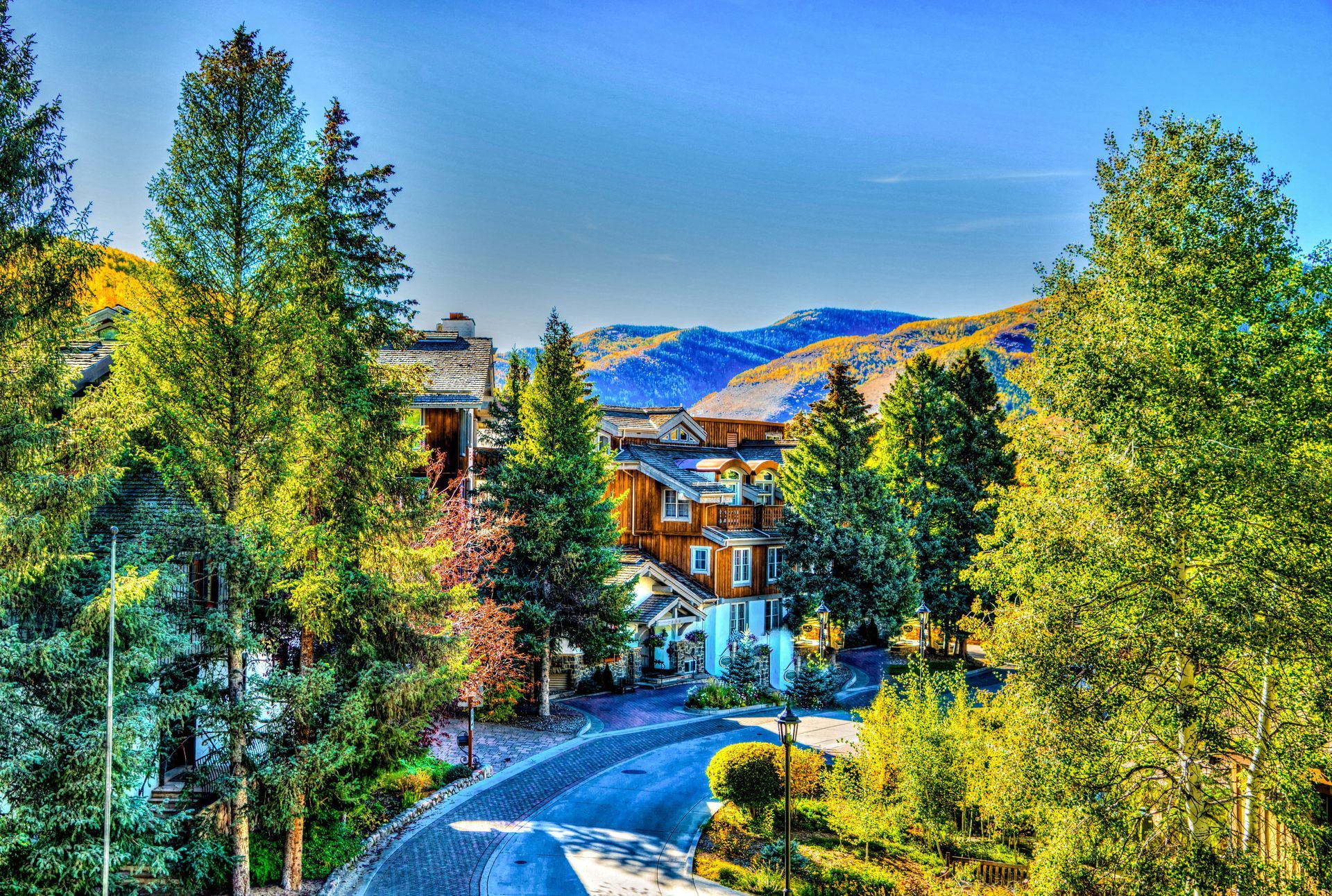
White River National Forest stands out as one of Colorado's most varied and thrilling outdoor locales, spanning the Rocky Mountains and including renowned destinations and the picturesque Maroon Bells. Year-round, it attracts visitors for its premier skiing and snowboarding during winter, and activities like hiking, mountain biking, fishing, and scenic drives through its alpine forests, wildflower fields, and high-altitude lakes in Summer.
With a rich diversity of wildlife, stunning mountain views, and convenient access from major resort towns, White River National Forest offers an ideal combination of rugged nature and well-maintained recreational opportunities for all kinds of adventurers on a Denver to Las Vegas road trip.
Carbondale, Colorado
Carbondale, Colorado, is a delightful mountain town positioned in the Roaring Fork Valley, renowned for its relaxed atmosphere, vibrant arts scene, and stunning views of the Rocky Mountains. Situated just south of Glenwood Springs and along our route, it serves as a peaceful launching point for exploring the region, with scenic drives and impressive vistas of Mount Sopris attracting nature lovers and photographers alike.
The historic downtown features an array of independent shops, art galleries, cafés, breweries, and restaurants, all of which enhance the town's distinctive local character. For outdoor enthusiasts, Carbondale provides a wide range of activities throughout the year, including hiking, mountain biking, fishing, and rafting during the summer, along with excellent skiing and snowboarding opportunities in the winter, all punctuated by the vibrant colors of autumn.
Aspen, Colorado
Accessible via a quick detour from Carbondale, Aspen, Colorado, is recognized as one of the top mountain resorts in the United States. It combines outstanding outdoor recreation and breathtaking mountain views with high-end shopping, fine dining, and a vibrant cultural scene. Nestled in the heart of the Rocky Mountains, Aspen is well-known for its four remarkable ski areas, attracting winter sports enthusiasts from around the world.
During the summer months, visitors can partake in activities such as hiking, mountain biking, fly fishing, and taking scenic gondola rides, all set against awe-inspiring alpine landscapes. The town features a lively mix of festivals, concerts, and art exhibits, while its charming downtown boasts boutique stores, art galleries, cafés, and historic buildings. Close by, the Maroon Bells, among the most photographed mountains in Colorado, provide a stunning location for sightseeing and photography.
Grand Junction, Colorado
Grand Junction serves as a lively entry point to Colorado’s Western Slope, recognised for its combination of outdoor activities, picturesque scenery, and relaxed atmosphere. Nestled amid stunning red rock formations, it provides convenient access to attractions such as Colorado National Monument, where breathtaking canyons and impressive rock structures offer remarkable vistas.
The city boasts a bustling downtown filled with art centres, local eateries, and wineries, showcasing its central role in Colorado's wine region. With many options for hiking, biking, rafting, and visits to nearby orchards and vineyards, Grand Junction is an attractive hub for travellers seeking to balance leisure and adventure.
Arches National Park
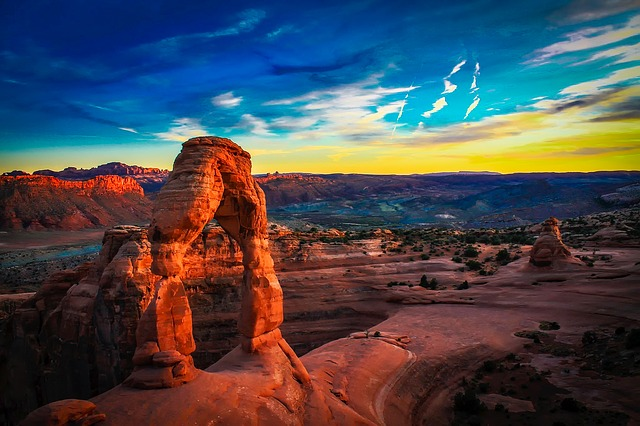
The first of Utah’s Mighty 5 national parks, Arches National Park attracts 1,807,000 visitors annually, ranking it as the 16th most frequented national park in the United States. Covering 76,679 acres, it is the 20th-smallest national park in the nation. Being established on November 12, 1971, makes it the 29th youngest.
The park derives its name from its most famous attribute: a stunning array of over 2,000 natural rock arches, the largest collection of this type in the world, sculpted from sandstone through millions of years of erosion. In addition to these arches, Arches National Park features unique geological formations such as balancing rocks, fins, and pinnacles, plus some of the planet's finest stargazing spots, making it an ideal stop for geologists.
For wildlife enthusiasts, the park is also home to a diverse range of species, including antelope squirrels, bighorn sheep, cougars, coyotes, collared lizards, kangaroo rats, mule deer, red foxes, spadefoot toads, two varieties of rattlesnakes, 190 bird species, and numerous insects.
Canyonlands National Park
Canyonlands National Park is the largest of Utah's Mighty 5 national parks, the 15th-largest in the contiguous United States, and 23rd-largest in the country, encompassing 337,598 acres. Established on September 12, 1964, it is the 31st-oldest national park in the U.S. The park attracts approximately 911,600 visitors each year, making it the nation’s 28th most visited national park, though it is the least frequented park in Utah.
Divided into three distinct regions by the Colorado and Green rivers, Canyonlands is renowned for its vast canyons and varied geological formations, such as arches, buttes, mesas, and pinnacles. This area exemplifies Utah’s beautiful wilderness and its vibrant colours that shift with the seasons.
History enthusiasts will appreciate the ancient rock art and sites linked to Butch Cassidy and his gang during their infamous escapades. Additionally, wildlife enthusiasts will find a diverse array of animals, including badgers, bats, beavers, elk, black bears, bobcats, bighorn sheep, cougars, coyotes, foxes, mule deer, pronghorns, ring-tailed cats, numerous rodents and reptiles, and about 200 bird species.
Goblin Valley State Park
Goblin Valley State Park presents a distinctly surreal experience and is renowned for its strikingly unusual landscape. It is characterised by an extensive valley populated with thousands of mushroom-like rock structures, affectionately referred to as "goblins."
Nestled in a secluded desert area, the park encourages guests to explore these formations at their leisure, climb over rocks, and enjoy breathtaking views of the red sandstone cliffs and expansive skies. It is particularly favoured for activities such as photography, stargazing, and family-oriented adventures, and includes a campground along with essential amenities.
Capitol Reef National Park
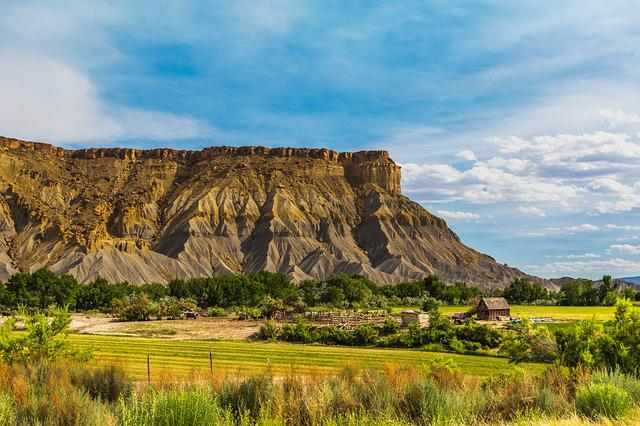
Established on December 18, 1971, Capitol Reef National Park is the most recent national park in Utah and the 28th youngest nationwide. Covering 76,679 acres, it is the second-largest park in Utah and the 29th in the country. With an annual attendance of 1,405,353, it is the 19th-most popular national park in the U.S. The park is centred around the Waterpocket Fold, a unique geological formation spanning 100 miles.
It showcases a variety of rock layers accumulated over thousands of years, plus erosion features such as cliffs, domes, and monoliths. In contrast to some of Utah's other parks, Capitol Reef also features a lush landscape where visitors can wander through orchards and taste delicious fruits. The park supports a rich diversity of wildlife, including bighorn sheep, mule deer, pronghorn, and approximately 230 bird species.
Dixie National Forest
Dixie National Forest spans nearly 2 million acres in southern Utah, making it the largest forest in the state and one of the most expansive high-elevation plateaus in the country. Its varying elevations support a diverse array of tree species and numerous wilderness areas.
Over the centuries, the Colorado River has etched multicoloured cliffs, canyons, and gorges into the landscape, contributing to its rugged beauty, while numerous lakes provide a contrasting, serene setting. With its abundance of mountains and a wide variety of weather conditions, Dixie National Forest offers an excellent destination for outdoor activities such as hiking and camping.
Grand Staircase-Escalante National Monument
Grand Staircase–Escalante National Monument spans almost 2 million acres of isolated desert in southern Utah. This area is characterised by striking cliffs, profound canyons, and natural arches, providing a rich wilderness experience alongside scenic drives and hiking opportunities.
Key highlights include Peek-a-Boo Canyon, Spooky Gulch, Calf Creek Falls, and the expansive Escalante River canyon system. A variety of scenic routes lead visitors to numerous viewpoints and trails. It is a prime stop on a Denver to Las Vegas road trip for those seeking adventure.
Bryce Canyon National Park
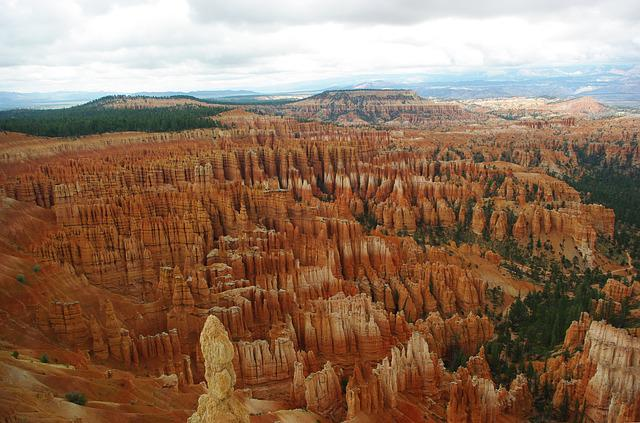
Spanning 35,835 acres, Bryce Canyon National Park holds the distinction of being the smallest national park in Utah, as well as the 10th smallest in the contiguous United States and 12th smallest nationwide. With an annual visitor count of 2,104,600, it is the 15th most popular national park in the country. Established on February 25, 1928, it is also recognised as the 17th oldest.
Known for its naturally formed geological amphitheatre, Bryce Canyon has been shaped through millions of years of erosion, showcasing numerous red hoodoos that rise dramatically toward the sky. This region is believed to have been inhabited by Native Americans for centuries.
Although not as rich in wildlife as some of Utah's other national parks, Bryce Canyon still hosts a variety of animals, including badgers, black bears, bobcats, elk, grey foxes, mule deer, porcupines, and prairie dogs, as well as 15 species of amphibians and lizards, along with approximately 190 different bird species.
Zion National Park
Zion National Park, with over 5 million visitors each year, holds the title of the busiest national park in Utah and ranks as the second-most visited in the United States, following Great Smoky Mountains National Park. The last of Utah’s Mighty 5 National Parks, spanning 147,242 acres, makes it the nation’s 28th-smallest national park. It’s also the 15th oldest, established on November 19, 1919.
The park is centred around Zion Canyon and is situated at the convergence of the Colorado Plateau, Great Basin, and Mojave Desert. Its diverse landscapes feature coniferous forests, vibrant deserts, riparian areas, and rivers, creating breathtaking views. Among its geological features are canyons, mesas, overlooks, and rock towers, all showcasing stunning natural beauty.
Notable sights include the unique water of Weeping Rock and the dramatic outlook from Angels Landing. Additionally, the park is home to a variety of wildlife, such as badgers, bighorn sheep, bobcats, cougars, coyotes, desert cottontails, grey foxes, jackrabbits, kangaroo rats, mule deer, ring-tailed cats, rock squirrels, numerous lizard species, and nearly 300 bird varieties, making it a paradise for nature enthusiasts.
Grafton Ghost Town
Grafton Ghost Town stands as one of the best-preserved ghost towns in the American West. Presenting a captivating look at life during the 19th century, this tranquil settlement features a few restored wooden structures, a historic schoolhouse, and a small cemetery, all set against the dramatic backdrop of red cliffs and vast desert expanse.
After being abandoned due to floods and conflicts, Grafton has since drawn visitors with its picturesque landscapes, nostalgic Old West feel, and appearances in classic films such as Butch Cassidy and the Sundance Kid. This makes it a serene and thought-provoking destination for both history enthusiasts and adventurers on a Denver to Las Vegas road trip.
Red Cliffs National Conservation Area
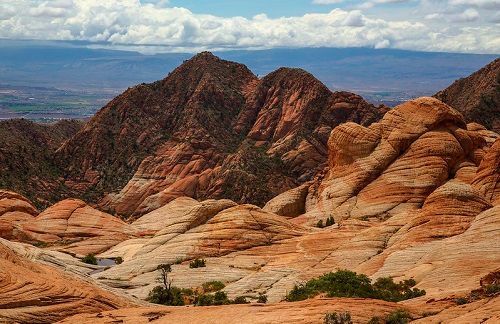
Established in 2009, the Red Cliffs National Conservation Area aims to safeguard the distinctive red cliffs, diverse habitats, and wildlife, such as the desert tortoise. Situated on the northeastern boundary of the Mojave Desert, the area is divided into upland and lowland zones. With over 130 miles (210 km) of non-motorised trails, it offers an excellent opportunity to leave your vehicle, enjoy a walk, and appreciate Utah’s breathtaking scenery.
St. George, Utah
St. George, the seventh most populous city in Utah and the largest situated outside the Wasatch Front, was established in 1861 as a cotton mission by Mormon pioneers. The city bears the name of George A. Smith, an early leader of The Church of Jesus Christ of Latter-day Saints. Renowned for its St. George Utah Temple, the city also attracts numerous tourists seeking outdoor activities, as it’s the nearest major urban centre to both Zion National Park and the North Rim of the Grand Canyon.
Mesquite, Nevada
Founded in 1880 along the Arizona-Nevada border, Mesquite is a quaint town that features various attractions commonly associated with Las Vegas, including casinos, golf courses, museums, hotels, bars, and dining establishments. This provides an excellent opportunity to pause your Denver to Las Vegas road trip and enjoy some entertainment in a more laid-back setting before continuing to your final destination.
Valley Of Fire State Park
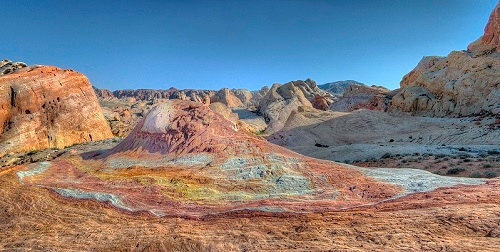
Valley of Fire State Park spans nearly 46,000 acres and serves as both a nature preserve and a public recreation area. Established in 1935, the park was created to safeguard its renowned red Aztec Sandstone formations, which appear to glow as sunlight hits them at certain angles.
Featuring a variety of geological structures such as conglomerates, limestones, sandstones, and shales, along with dunes and ancient petroglyphs, the park is ideal for geologists. Its stunning landscape has also made it a popular filming location for several movies, including Star Trek Generations, Total Recall, and The Professionals.
Lake Mead National Recreation Area
Lake Mead National Recreation Area covers nearly 1.5 million acres and is home to the largest reservoir in the United States, Lake Mead, along with the smaller Lake Mojave. This vast body of water in an otherwise dry region makes the area a highly sought-after spot for water-based activities, such as boating, fishing, swimming, and a variety of other water sports.
Additionally, the park features shaded picnic spots, hiking trails, wilderness areas, a ghost town, and a rich diversity of wildlife, with 900 plant species and 500 animal species. Numerous historical sites and structures offer further opportunities for leisure and exploration. Overall, the area provides an excellent way to experience portions of three out of the four desert ecosystems found in the United States.
Final Thoughts On The Ultimate Denver To Las Vegas Road Trip Itinerary
That concludes our guide to the ultimate Denver to Las Vegas road trip itinerary. You should now have all the necessary information to complete the drive, including when to go, which route to follow, how long it will take, where to stay, and what to see along the way. We also published helpful guides on where to stay in Las Vegas, Nevada, the top attractions in Las Vegas, Nevada, and how to enjoy Las Vegas on a budget.
All that’s left is deciding what to take with you, and then you can start budgeting and booking everything, so you can look forward to enjoying it all for yourself as soon as possible. Anyone seeking to continue driving beyond Las Vegas may enjoy our guides on:
A Las Vegas to Grand Canyon road trip itinerary
A Las Vegas to San Diego road trip itinerary
A road trip from Las Vegas to Reno
Recent Posts