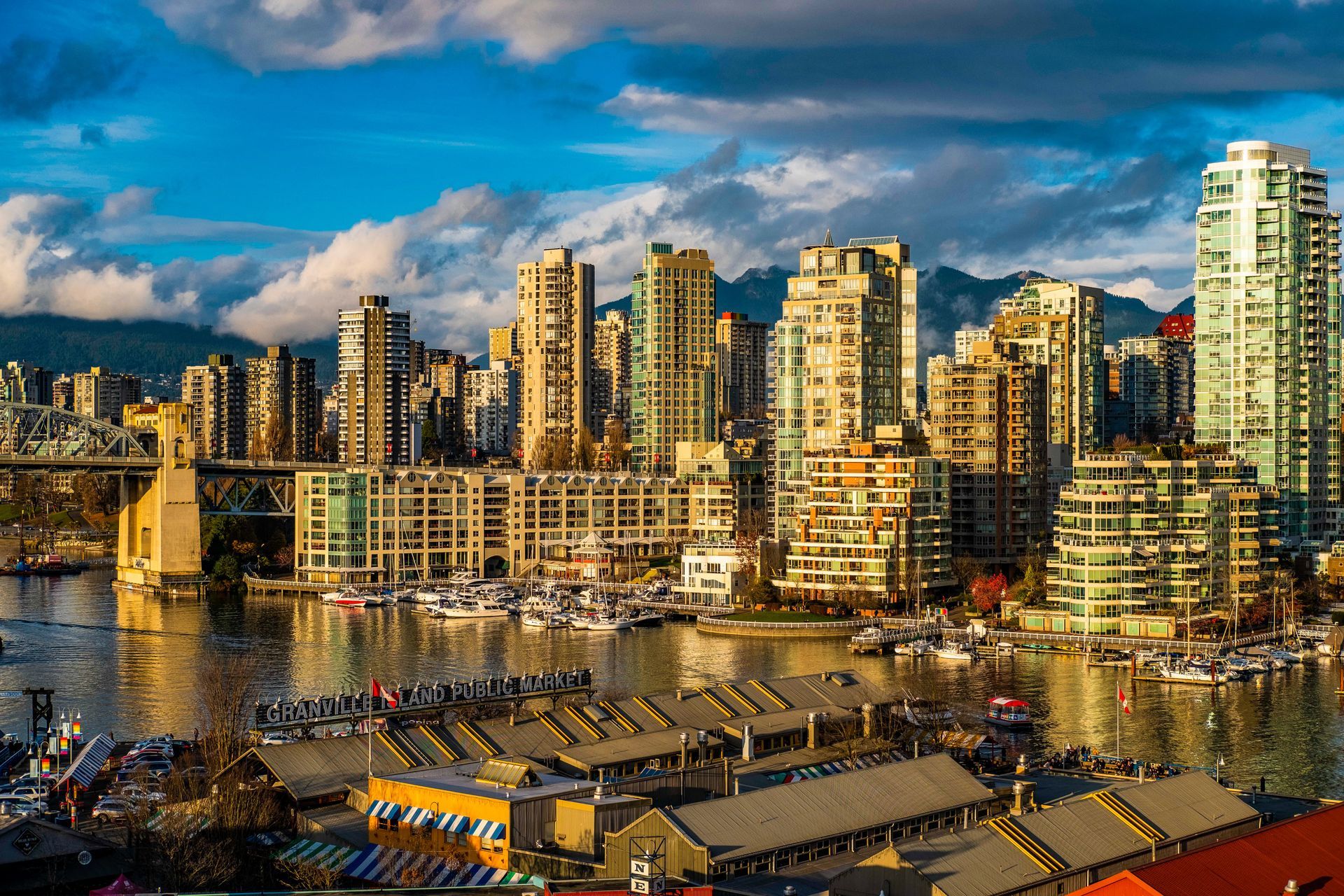
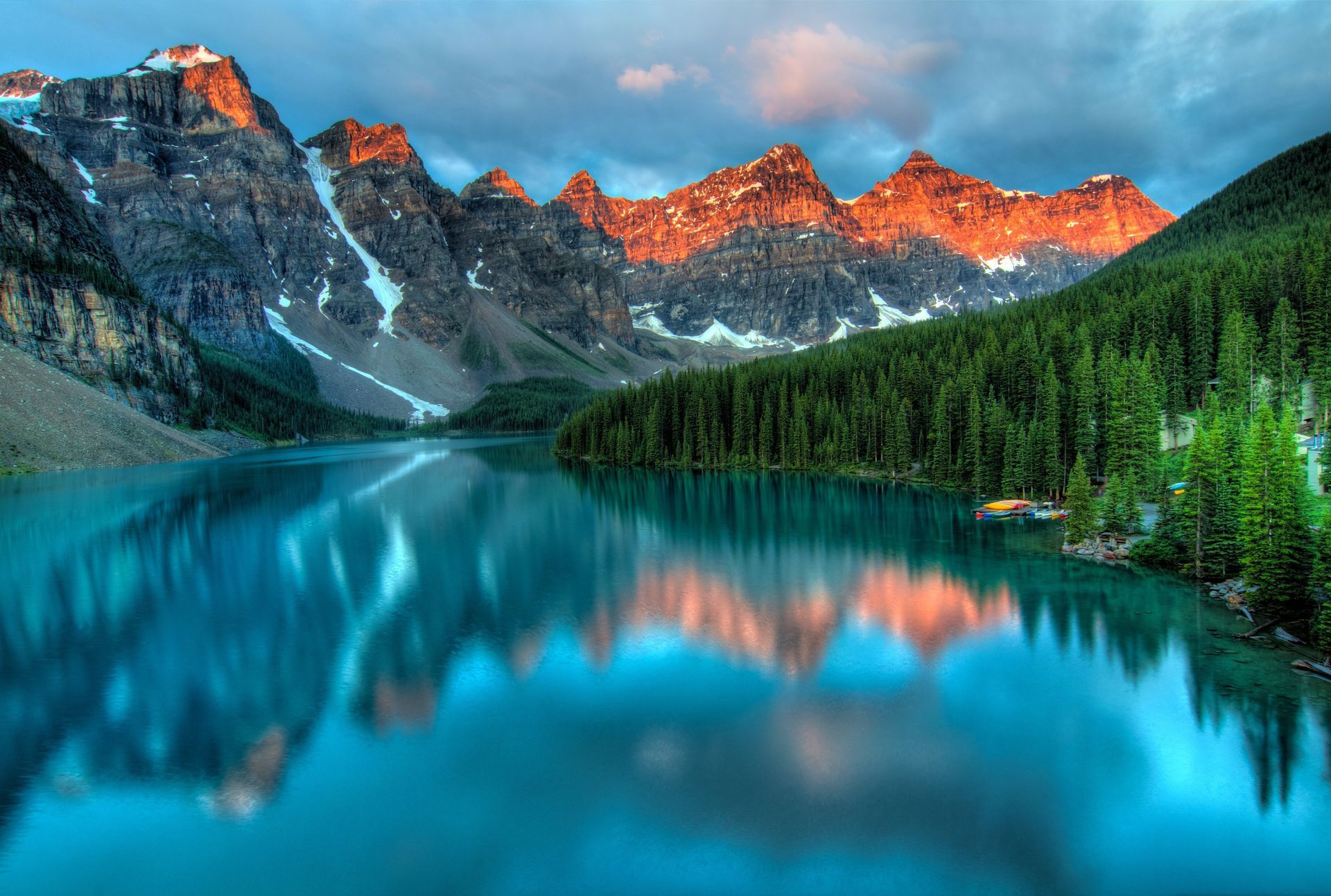
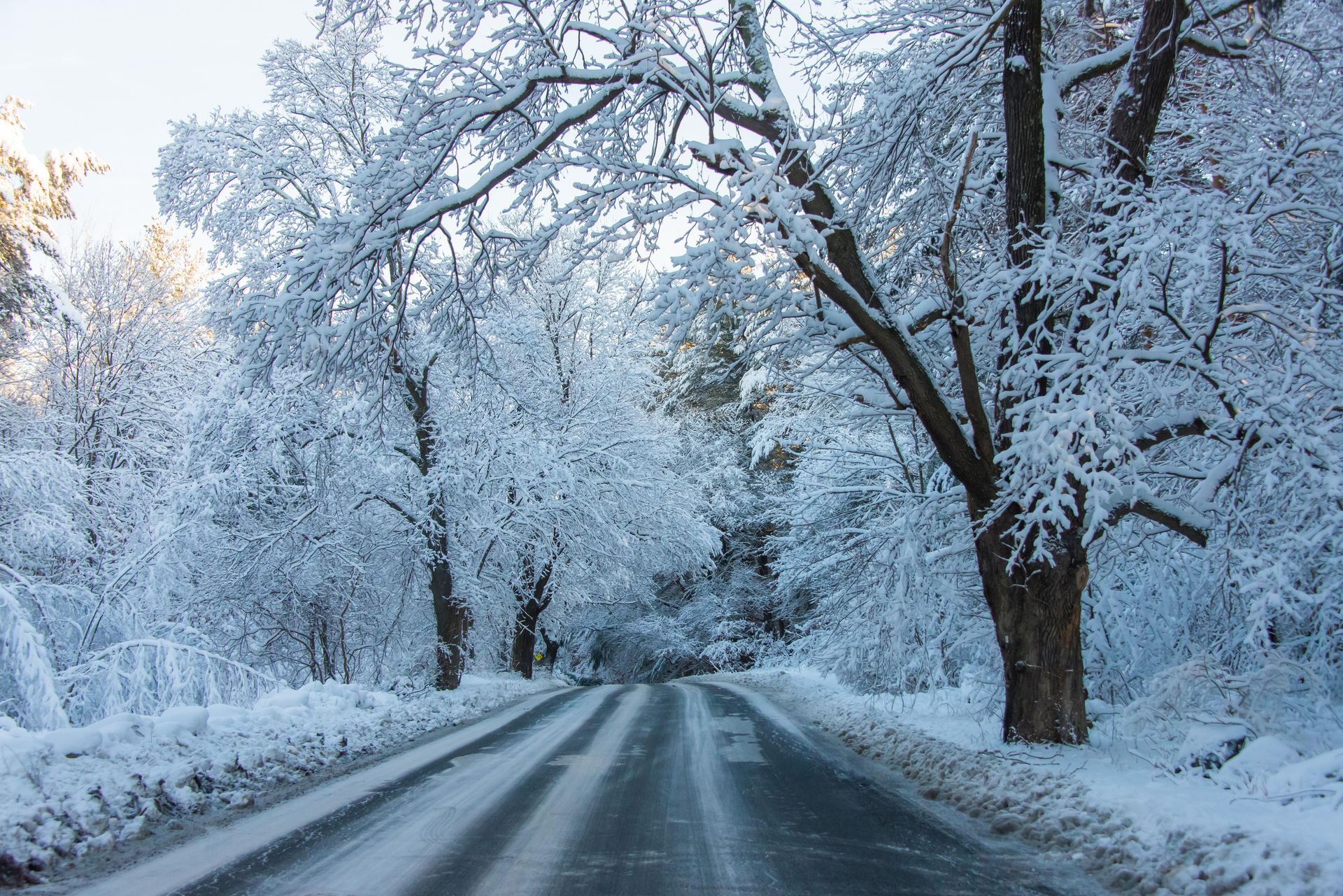
A perfect Denver to Grand Canyon road trip takes you between some of America’s highest peaks and deepest canyons.
A 680-mile Denver to Grand Canyon road trip takes you from Colorado, through Utah, to the “Grand Canyon State”, Arizona. You’ll pass iconic towns, unique monuments, vibrant Indian reservations, stunning national parks and forests, and countless incredible landscapes, as you drive to one of the most legendary natural destinations on Earth, Grand Canyon National Park.
Read on for help planning the ultimate road trip to Grand Canyon from Denver, Colorado.
A Denver To Grand Canyon Road Trip: How Far Is It, What Is The Best Route, & How Long Will It Take?
A Denver to Grand Canyon road trip covers 680 miles (1,095km) and takes 11 hours to drive. The route is also incredibly straightforward.
Set off west on I-70 and follow it 321miles to Exit 182 in Crescent Junction, Utah, then go south on US Route 191. After 163 miles, turn right onto US Route 160 at the Welcome to Arizona sign and follow it 125 miles to its conclusion at the Tuba City Airport. Turn left to briefly follow US Route 89/National Park Highway south to Cameron, Arizona, then turn right to join Arizona State Route 64 at its origin and follow it the rest of the way to Grand Canyon National Park.
Best Time For A Denver To Grand Canyon Road Trip
The best time for a Denver to Grand Canyon road trip is either late May to early July or September.
These windows provide warm, dry weather along your route and at your destination, and all of the attractions will be open throughout the drive. It also avoids the huge crowds, blistering temperatures, and extreme wildfire risk that Grand Canyon National Park and the surrounding region experience between mid-July and the end of August.
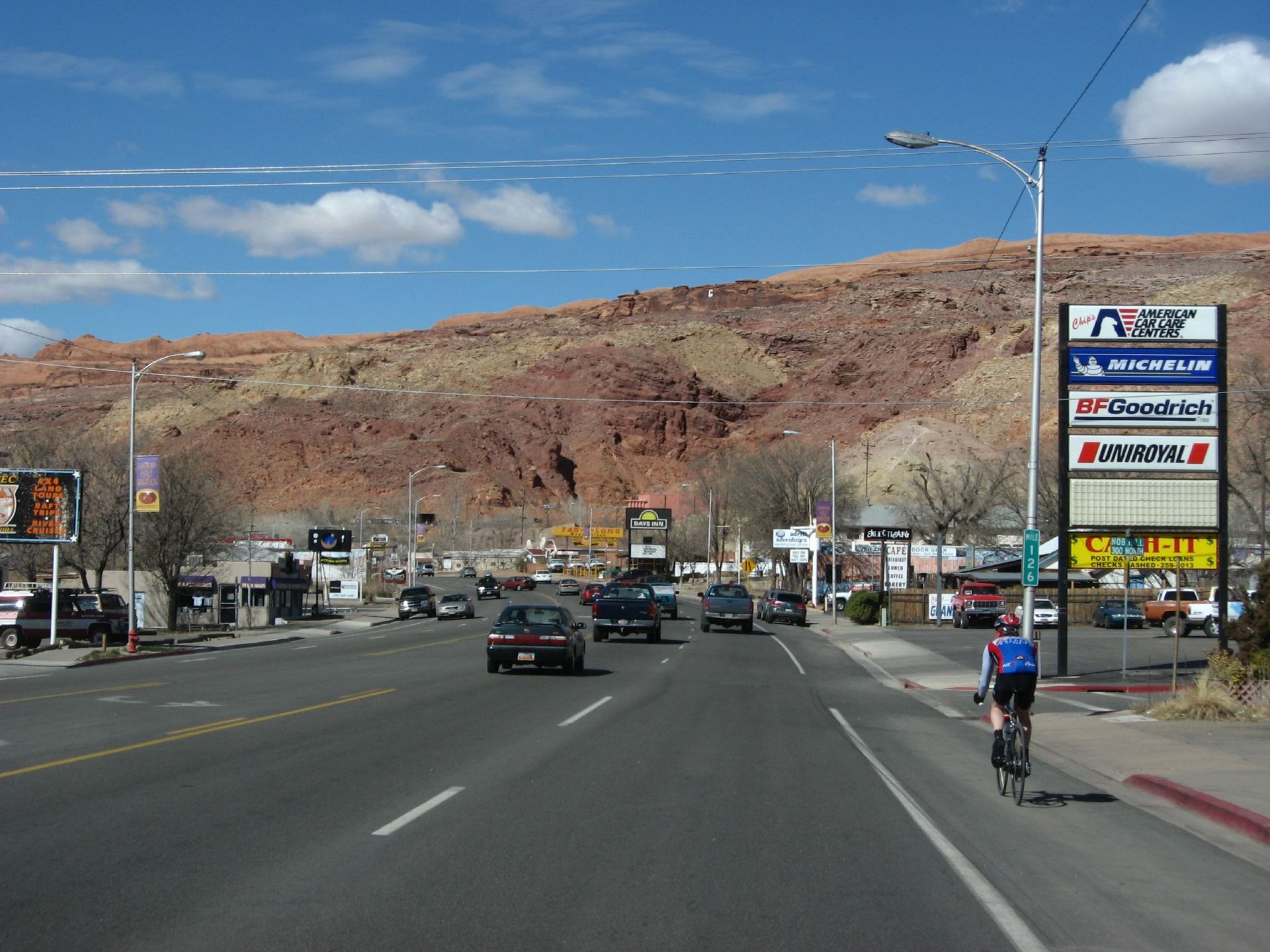
Best Place To Stop On A Denver To Grand Canyon Road Trip – Moab, Utah
With a Denver to Grand Canyon road trip taking 11 hours, our advice is to break the drive into more manageable chunks. This will ensure you have enough time to enjoy everything this incredible route has to offer. There are several great places along the route to do this, but the best place to stop on a Grand Canyon road trip from Denver is unquestionably Moab, Utah.
Moab is situated only a short drive from Arches National Park, and not much farther from Canyonlands National Park. A dynamic desert town, it is celebrated as a premier adventure hub in the American Southwest and surrounded by breathtaking red-rock landscapes. With vast blue skies overhead, it is a popular place from which to explore Utah’s Mighty 5 National Parks.
Visitors are drawn to the region for its stunning scenery and a variety of outdoor activities, including hiking, excellent mountain biking trails, rock climbing, and off-roading across rugged desert landscapes. The town radiates a relaxed, outdoor-oriented vibe, featuring a lively array of local bars and restaurants, shops offering equipment and souvenirs, and companies offering guided tours for explorers.
The Colorado River nearby offers chances for rafting and leisurely floats, while the adjacent desert provides an ideal setting for stargazing thanks to its clear night skies. Whether you're seeking thrilling adventures or wish to take in the gorgeous views, Moab is an unforgettable stop on a Denver to Grand Canyon road trip.
Best Hotel To Stay At In Moab, Utah – Fairfield Inn & Suites by Marriott Moab
Located in the centre of Moab, only 2.3 miles from Arches National Park, the Fairfield Inn & Suites by Marriott Moab stands out as an exceptional hotel, offering stunning views and high-end amenities.
Every room comes with a private bathroom, air conditioning, a sofa, a flat-screen cable TV, a microwave, a refrigerator, a hairdryer, and modern furnishings. The hotel includes business and fitness centres, a swimming pool, a hot tub, and laundry services to meet all visitor needs. Wi-Fi is available throughout the hotel, and guests can benefit from free parking and a complimentary breakfast each morning.
The 12 Best Things To See On A Denver To Grand Canyon Road Trip
The Buffalo Bill Museum & Grave
The Buffalo Bill Museum and Grave, located on Lookout Mountain with sweeping views of the surrounding plains, offers fascinating insights into the life and legacy of the legendary frontiersman Buffalo Bill Cody. While the museum is relatively small, it showcases an array of engaging artefacts, exhibits, and stories from the Wild West era, many of which are centred on Buffalo Bill's famous travelling show.
Nearby, his gravesite offers stunning panoramic views stretching toward Denver, exactly where he wanted it. This site combines historic importance, stunning scenery, and elements of frontier history, making it an easy and rewarding stop for travellers embarking on a road trip to Grand Canyon from Denver, Colorado.
Vail, Colorado
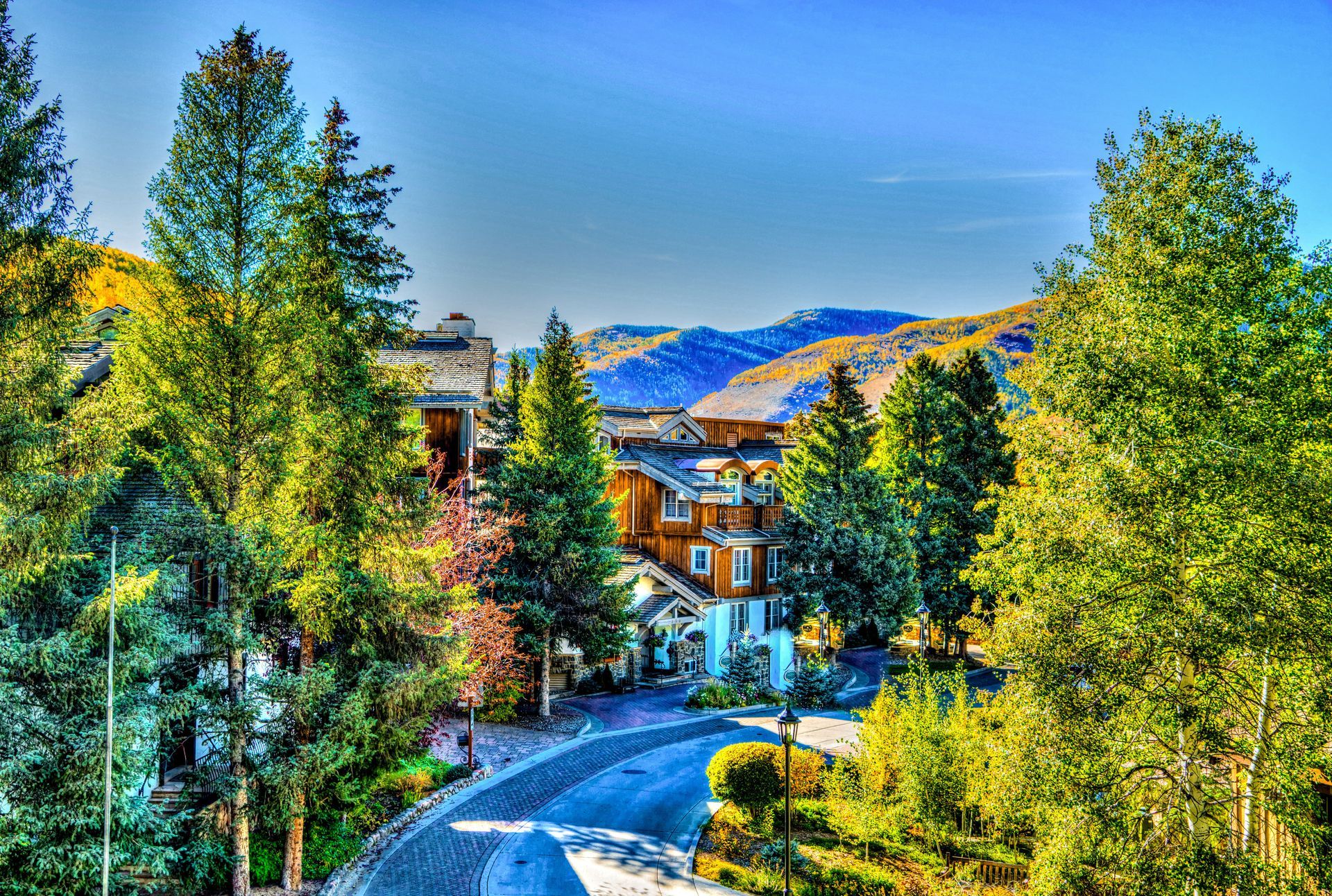
Vail, Colorado, is a renowned mountain resort in the Rocky Mountains, celebrated mainly for its expansive skiing facilities at Vail Ski Resort, which is considered one of the largest in North America. In winter, visitors flock to the area for exceptional skiing and snowboarding experiences.
In the summer, Vail reveals a different charm, accommodating activities such as hiking, mountain biking, festivals, and gondola rides that provide stunning mountain vistas. Vail Village is crafted to evoke the feel of a European alpine town; its walkable design is complemented by upscale shops, cosy lodges, and fine-dining establishments, creating a lively yet picturesque atmosphere year-round.
White River National Forest
White River National Forest is recognised as one of the most diverse and exciting outdoor areas in Colorado, featuring the Rocky Mountains and famous sites such as the scenic Maroon Bells. Throughout winter, it draws crowds for its exceptional skiing and snowboarding. Summer pursuits like hiking, mountain biking, fishing, and leisurely drives through its beautiful alpine forests, blooming wildflower meadows, and high-altitude lakes are equally popular.
Boasting a wide variety of wildlife, breathtaking mountain vistas, and easy access from major resort towns, White River National Forest is an ideal mix of rugged nature and well-maintained recreational activities for adventurers embarking on a Denver to Grand Canyon road trip.
Carbondale, Colorado
Carbondale, Colorado, is a charming mountain community located in the Roaring Fork Valley, celebrated for its laid-back vibe, dynamic arts culture, and breathtaking Rocky Mountain scenery. Nestled just south of Glenwood Springs and our route, it’s an ideal, tranquil starting point for discovering the area, with picturesque drives and stunning vistas of Mount Sopris making Carbondale a popular spot for nature enthusiasts and photographers.
The historic downtown area boasts a variety of independent shops, art galleries, cafés, breweries, and restaurants, contributing to the town's unique local flavour. For outdoor lovers, Carbondale offers a plethora of activities year-round, including hiking, mountain biking, fishing, and rafting in the summer, and access to top-notch skiing and snowboarding in the winter, separated by vibrant fall colours in the autumn.
Aspen, Colorado
Reached via the same short detour as Carbondale, Aspen, Colorado, stands out as one of the premier mountain resorts in the United States, merging exceptional outdoor activities and magnificent mountain scenery with upscale shopping, gourmet dining, and a dynamic cultural atmosphere. Set in the heart of the Rocky Mountains, it is famous for its four exceptional ski areas that draw winter sports lovers from across the globe.
In summer, guests can enjoy hiking, mountain biking, fly fishing, and scenic gondola rides, all framed by stunning alpine views. It boasts a lively array of festivals, concerts, and art showcases, and the picturesque downtown area is dotted with boutique shops, art galleries, cafés, and historic structures. The nearby Maroon Bells, considered among Colorado's most photographed mountains, offer a remarkable spot for sightseeing and photography.

Grand Junction, Colorado
Grand Junction is a vibrant gateway to Colorado’s Western Slope, known for its blend of outdoor experiences, beautiful landscapes, and a laid-back vibe. Surrounded by striking red rock formations, it offers easy access to sites like the Colorado National Monument, where stunning canyons and grand rock formations provide incredible viewpoints.
The city features a lively downtown area packed with art galleries, local restaurants, and wineries, highlighting its importance within Colorado's wine industry. With a variety of activities such as hiking, biking, and rafting, as well as opportunities to explore nearby orchards and vineyards, Grand Junction is an appealing destination for travellers looking for both relaxation and adventure.
Arches National Park
Arches National Park, one of “Utah's Mighty 5”, draws approximately 1.8 million visitors a year, making it the nation’s 16th most visited national park. Spanning 76,679 acres, it ranks as the 20th smallest national park in the US. Established on November 12, 1971, it is also the 29th youngest national park.
Arches is named for its remarkable feature: an impressive collection of over 2,000 natural rock arches, the largest assembly of this kind worldwide, formed from sandstone over millions of years of erosion. Besides these arches, Arches National Park showcases distinctive geological structures, including balancing rocks, fins, and pinnacles, as well as some of the best spots for stargazing on Earth, making it a prime location for geologists.
Wildlife lovers will find a wide variety of species within the park, including antelope squirrels, bighorn sheep, cougars, coyotes, collared lizards, kangaroo rats, mule deer, red foxes, spadefoot toads, two types of rattlesnakes, 190 bird species, and a multitude of insects.
Canyonlands National Park
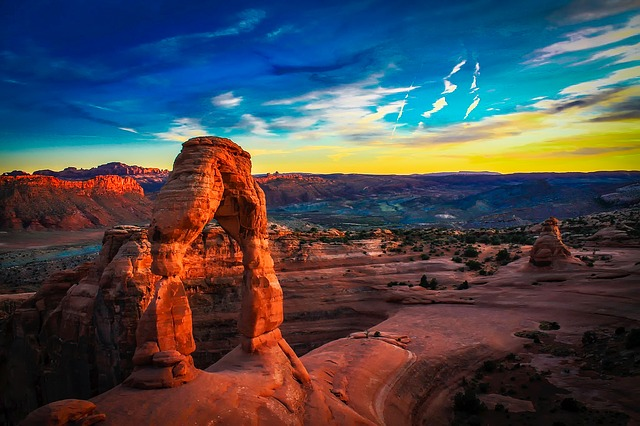
Canyonlands National Park, covering 337,598 acres, is the largest among Utah's Mighty 5 national parks (and the last we’ll visit on this trip), ranking as the 15th-largest in the Lower 48 and the 23rd largest in the US. Established on September 12, 1964, it is recognised as the nation’s 31st-oldest national park. The park draws around 911,600 visitors annually, ranking it the 28th most-visited national park in the country, although it ranks last in Utah.
The park is split into three unique regions by the Colorado and Green rivers, famed for its expansive canyons and diverse geological features, including arches, mesas, buttes, and pinnacles. This region beautifully represents Utah's wilderness, showcasing vivid seasonal color changes.
For those interested in history, the park offers ancient rock art and locations associated with Butch Cassidy and his notorious gang. Wildlife enthusiasts can also explore a variety of species inhabiting the park, such as elk, black bears, bobcats, bighorn sheep, cougars, coyotes, badgers, bats, beavers, pronghorn, ring-tailed cats, as well as numerous rodents and reptiles, alongside approximately 200 bird species.
Navajo Nation
The Navajo Nation covers 17,544,500 acres and supports a population of approximately 400,000. The largest and most populated Indian Reservation in the United States, its vast area is greater than that of any of the ten smallest states. Renowned for its unique landscapes, sacred sites significant to Native American culture, vibrant cultural centres, and variety of businesses, it’s a remarkable destination for those interested in the history and culture of Native American peoples.
Immerse yourself in the vibrant traditions of the Navajo people by visiting museums, attending cultural demonstrations, and exploring local art galleries and markets featuring genuine, handcrafted jewellery, pottery, rugs, and textiles. Visitors are encouraged to honour local traditions, customs, and sacred sites, fostering a richer understanding of Navajo heritage while experiencing one of North America's unique cultural environments.
The reservation boasts some of the most breathtaking landscapes in the American Southwest, showcasing striking sandstone formations, expansive desert views, and picturesque drives that highlight the area's natural charm.
Four Corners Monument
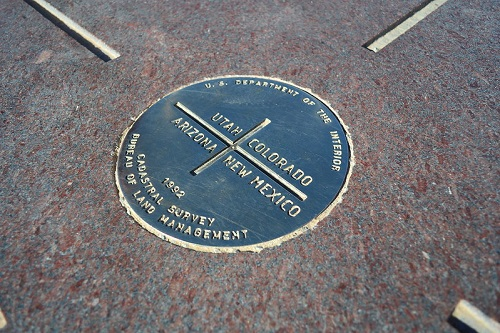
Just a short detour from our route lies a unique attraction: the Four Corners Monument. The sole location in the United States where the boundaries of four states meet; Colorado, Utah, Arizona, and New Mexico converge at one point here. Situated within the Navajo Nation, nestled amid expansive desert landscapes, and collaboratively managed with the Ute Mountain Ute Tribe, it attracts many travellers exploring the Southwest United States.
An intriguing cultural and geographical landmark, you can position yourself in all four states simultaneously, making it a popular site for capturing memorable photographs. Four Corners Monument also hosts a marketplace where Navajo and Ute craftsmen offer genuine handmade items, including jewellery, pottery, textiles, and traditional crafts.
Hopi Reservation
The Hopi Reservation, located in northeastern Arizona, presents a distinctive chance for tourists to immerse themselves in one of North America’s oldest continuously occupied cultures. Surrounded by the Navajo Nation, the reservation contains twelve traditional villages, many built on prominent mesas offering breathtaking views of the expansive high desert.
With a rich heritage and profound spirituality, the Hopi are celebrated for their intricate katsina carvings, pottery, basketry, and enduring traditions. Visitors can engage with cultural centres, local galleries, and artisan boutiques while discovering the history and customs of the Hopi community. Guided tours offer valuable insights into the reservation's legacy, and considerate travellers are rewarded with a genuine, unparalleled cultural experience.
Kaibab National Forest
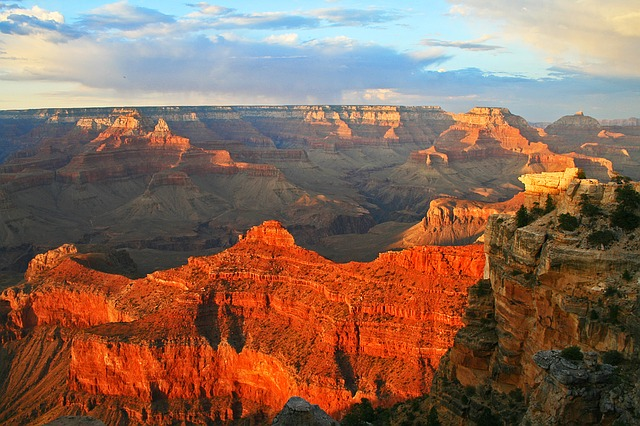
Kaibab National Forest, encompassing 1.6 million acres, stretches across the Grand Canyon’s North and South Rims.
This natural preserve showcases a distinct landscape, characterised by a rich diversity of forests including aspen, fir, juniper, oak, pine, and spruce, along with various shrubbery, offering a contrast to the vistas of the Grand Canyon. In addition to its scenic beauty, Kaibab National Forest features notable attractions such as the idyllic Scholz Lake and the Historic Spring Valley Cabin, constructed in 1917 for park rangers.
The forest is also a habitat for a wide range of wildlife. Among its residents are Coues white-tailed deer, mule deer, elk, pronghorn, wild turkey, coyotes, cougars, bobcats, black bears, bison, chipmunks, ground squirrels, Abert's squirrels, porcupines, lizards, bats, rattlesnakes, and a variety of bird species including bluebirds, robins, Steller's jays, nuthatches, flickers, woodpeckers, crows, hummingbirds, ravens, and hawks.
Final Thoughts On The Ultimate Denver To Grand Canyon Road Trip Itinerary
That concludes our guide to planning a perfect Denver to Grand Canyon road trip itinerary. You should now have all the necessary information to complete the drive, including when to go, which route to follow, how long it will take, where to stay, and what to see along the way. We also published a helpful guide to exploring Grand Canyon National Park here.
All that’s left is deciding what to take with you, and then you can start budgeting and booking everything, so you can look forward to enjoying it all for yourself as soon as possible. Anyone seeking to continue driving beyond the Grand Canyon may also enjoy our guide to a road trip to San Francisco from Grand Canyon National Park.
Recent Posts