A Denver to Mount Rushmore road trip takes you from America’s highest city to one of its most iconic monuments.
A 390-mile Denver to Mount Rushmore road trip takes you from northeast Colorado, through Wyoming, to the Black Hills of South Dakota. Along the way, you will pass through iconic cities, historic towns, and stunning natural locations, as you travel to one of the most famous and recognisable landmarks in the United States.
Read on to discover everything to do and see along the way, to ensure you can plan a perfect Denver to Mount Rushmore road trip itinerary.
A Denver To Mount Rushmore Road Trip Itinerary: How Far Is It, How Long Will It Take & What Is The Best Route?
A Denver to Mount Rushmore road trip covers at least 365 miles and takes a minimum of 5 and ¾ hours to drive. However, we feel the best route for a road trip to Mt. Mount Rushmore from Denver is slightly longer, at 390 miles (628 kilometres), with a driving time of 6 and ¾ hours.
Both routes begin the same. Head north on I-25 to Cheyenne, Wyoming, switch to US Route 85 and continue north, before taking US Route 18 east into South Dakota.
For the fast route, you turn left onto South Dakota Highway 89 at its origin, continue north on US Route 385, then take South Dakota Highway 244 the rest of the way to Mount Rushmore.
On our preferred route for a road trip to Mount Rushmore, stay on US Route 18 until you reach Hot Springs, South Dakota. Follow US Route 385 north to Wind Cave National Park, then turn right onto South Dakota Highway 87. When it concludes, take US Route 16A west to Custer, South Dakota, where you will rejoin US Route 385 and follow it north, before joining South Dakota Highway 244 and taking it the rest of the way to Mt. Rushmore.
Best Time For A Denver To Mount Rushmore Road Trip
The best time for a Denver to Mount Rushmore road trip is from mid-June to the end of September. This period features the warmest, driest temperatures along your route and at your destination, allowing you to enjoy your trip without constantly worrying about staying warm or dry. It also means all of the attractions along the way should be open and available for you to enjoy.
Be aware, though, that in early August, Sturgis Festival takes over the region. If you are interested in motorcycle culture, this will be a blessing. If you would rather have a slightly quieter road trip to Mt. Rushmore, though, consider avoiding the first few weeks in August.
Best Place To Stop On A Denver To Mount Rushmore Road Trip – Cheyenne, Wyoming
With between 6 and 7 hours of driving on a Denver to Mount Rushmore road trip, many people will aim to complete it in one day. However, to make the most of what’s on offer, we recommend splitting it over 2 days. There are a few places you could make an extended stop on a road trip to Mt. Rushmore, but one stands out above the rest: Cheyenne, Wyoming.
Cheyenne is Wyoming's largest city and serves as the state capital, renowned for its rich Western and rodeo heritage. One of the state’s most popular tourist destinations, the city is best known for Cheyenne Frontier Days, the “World’s Largest Outdoor Rodeo and Western Celebration,” which has been held annually for ten days each July since 1897.
This event features various attractions such as professional rodeo competitions, parades, carnival rides, concerts, and a cattle drive through Downtown Cheyenne, making it a must-see for those passionate about Western culture. For those unable to visit in July, the Frontier Days Old West Museum is open year-round, offering exhibits, cowboy memorabilia, and engaging displays that highlight life on the frontier.
Cheyenne's history as a key location on the Union Pacific Railroad is showcased at the Cheyenne Depot Museum, located in a historic Richardsonian Romanesque train station from the 1880s. The museum presents an extensive collection of exhibits on the railroad's impact on the settlement of the West and organises various summer events.
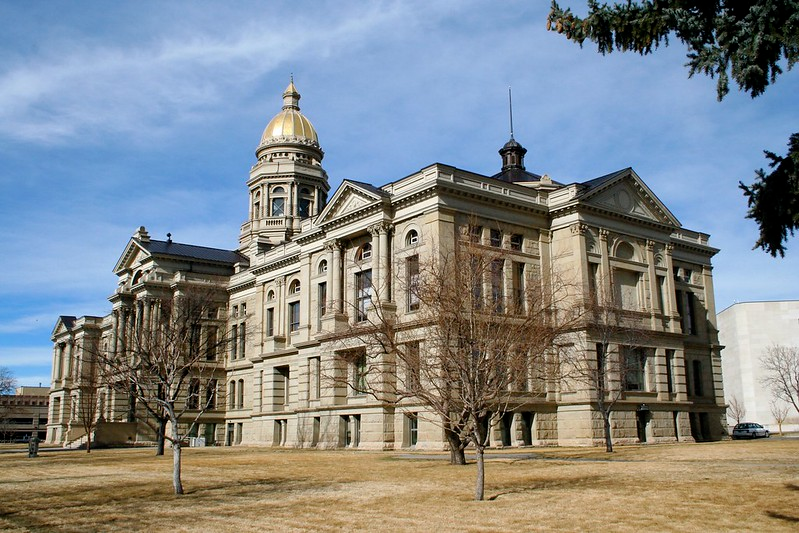
Nearby, the Wyoming State Capitol, built in a similar era and recognised as a National Historic Landmark, provides tours that delve deeper into the city's history while showcasing its impressive architecture and 146-foot dome. In Downtown Cheyenne, visitors can explore the area adorned with “Big Boots,” oversized painted sculptures that not only make for great photographs but also narrate stories through an audio tour. The Cheyenne Street Railway Trolley Tour provides a guided trip through the historic downtown.
For those seeking alternatives to history, Cheyenne offers diverse attractions, such as the Cheyenne Botanic Gardens, featuring solar-powered greenhouses and themed gardens, and the whimsical Paul Smith Children’s Village. Additionally, Holliday Park offers scenic views along with the enormous Big Boy steam locomotive, one of only eight remaining in the United States.
Best Hotel To Stay At In Cheyenne, Wyoming – Little America Hotel & Resort Cheyenne
The Little America Hotel & Resort Cheyenne is a four-star establishment situated three miles from the city centre. Its family-friendly accommodations feature Wi-Fi, a refrigerator, tea and coffee-making facilities, and a private bathroom, ensuring comfort for visitors of all ages during their stay. It also offers a range of amenities, including a swimming pool, golf course, fitness centre, bar, restaurant, and various shops for guests to explore.
Best Things To See On A Denver To Mount Rushmore Road Trip Itinerary
Fort Collins, Colorado
Fort Collins, Colorado, is an energetic and scenic town steeped in history, nestled at the base of the Rocky Mountains. The town's core, known as Old Town, features a well-preserved area filled with Romanesque Revival and Victorian architecture that served as inspiration for Disneyland’s Main Street USA. At the centre is the captivating Old Town Square, surrounded by illuminated alleys brimming with shops, galleries, and over 130 restaurants and bars, plus attractions such as the Fort Collins Museum of Discovery and a variety of public art displays and murals.
Recognised as Colorado's craft beer capital, Fort Collins boasts more than 20 breweries. Between them, they collectively produce approximately 70% of the state's microbrews. Many of these breweries are conveniently located within walking distance of downtown and offer tours to visitors. Events like the Colorado Brewers Festival and New Belgium’s Tour de Fat provide additional opportunities for beer enthusiasts to enjoy local brews.
For outdoor enthusiasts, the area features hiking and biking trails at Horsetooth Reservoir, Lory State Park, and the route to Arthur’s Rock. Adventurous guests can also partake in kayaking and rafting on the Cache la Poudre River. Additionally, free bike rentals in the town allow for a more urban cycling experience.
Notable attractions include the Lincoln Center, which showcases Broadway productions, symphonies, comedy, dance, and local theatre, plus the Fort Collins Museum of Art. Community events such as First Friday Art Walks, various performances at venues like Ace Gillett’s or the Mishawaka Amphitheatre, and The Gardens on Spring Creek, an 18-acre botanical garden with themed exhibits, a butterfly house, and lush lawns, invite visitors to explore. Twin Silo Park also offers playgrounds, zip lines, slides, and more.
Hot Springs, South Dakota
Hot Springs is a serene town in the Black Hills, celebrated for its warm mineral springs and unique red sandstone buildings. The historic downtown area is inviting and compact, featuring cafés, small museums, and locally owned shops, all set against a backdrop of picturesque hills and the serene flow of Fall River.
For over a century, the naturally heated springs have attracted visitors. Today, one can enjoy the relaxing waters at Evans Plunge, a well-known attraction and one of the oldest in the area, which is an ideal way to unwind on a road trip to Mount Rushmore.
Hot Springs also provides an intriguing look into prehistoric times at The Mammoth Site, an active dig site where numerous Ice Age mammoths have been unearthed. Nestled among rolling prairies and near the southern edge of the Black Hills, blending history, geology, and small-town allure, Hot Springs offers a refreshing, slightly less conventional destination in South Dakota.
Wind Cave National Park
Founded on January 9, 1903, Wind Cave National Park attracts approximately 490,000 visitors each year, making it the 24th least-visited and 6th oldest national park in the United States. Covering 33,970 acres, it is the nation’s 12th smallest national park, yet it boasts one of the longest and most intricate cave systems globally, ranking 6th in total size.
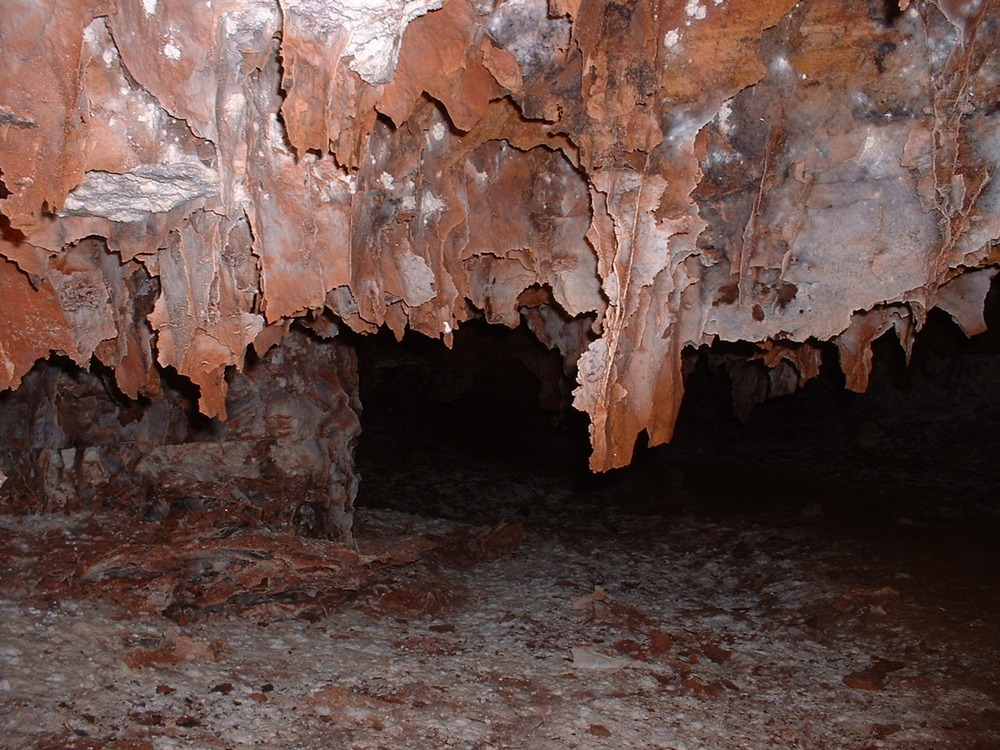
The park is renowned for its remarkable boxwork and frostwork formations and derives its name from the winds generated within the cave by changes in air pressure. Visitors can enjoy guided cave tours that showcase its unique formations and diverse bat species, while above ground, the park features dense pine forests, vast grassy prairies, and a variety of wildlife, including bison, cougars, elk, ferrets, prairie dogs, and many bird species.
Custer State Park
Custer State Park, established in 1912 and spanning 71,000 acres, is the oldest and largest state park in South Dakota. It is named after George A. Custer, a controversial U.S. Cavalry Commander who met his end approximately 300 miles (483 kilometres) away in the Little Bighorn in Montana. Historical sites such as the Badger Clark Historical Site and the Peter Norbeck Center, provide guests with opportunities to learn about the area's history.
The park's diverse landscape, which features scenic prairies and rugged mountains, supports an extensive array of wildlife, including bighorn sheep, coyotes, deer, cougars, elk, mountain goats, otters, prairie dogs, and pronghorns. Notably, it is home to a large herd of over 1,500 bison, and a small group of wild donkeys known as the “Begging Burros,” which are famous for following visitors in search of food.
Custer, South Dakota
Custer is a charming town in the Black Hills. It combines the charm of the Old West with convenient access to some of the region's most famous landscapes. Its historic downtown features wooden storefronts, local shops, art galleries, and inviting cafés, fostering a relaxed, small-town vibe that makes it an ideal starting point for exploring the surrounding hills.
Guests can shop for Native American crafts and Western souvenirs, delve into the area's gold rush history, and savour hearty, ranch-style meals after a day of outdoor activities. This is a particularly great stop on a road trip to Mount Rushmore, as it gives you a different perspective on the area surrounding the iconic monument.
Black Hills National Forest
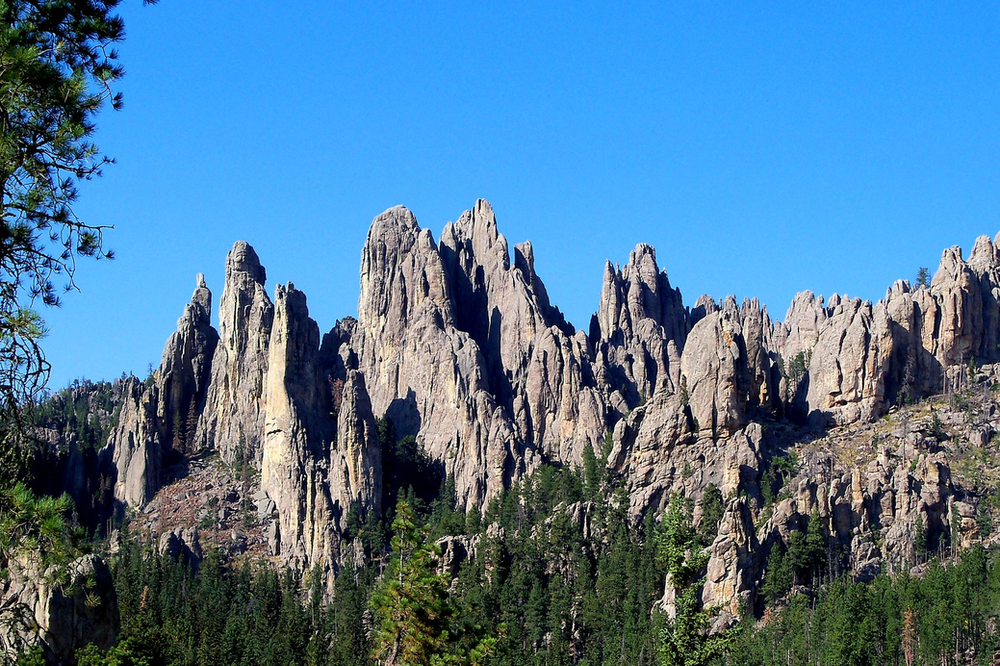
Covering 1.25 million acres, the Black Hills National Forest in South Dakota presents a vast wilderness characterised by pine forests, high peaks, hiking paths, picturesque roads, stunning views, diverse wildlife, and many other notable features, making it a prime natural destination suitable for all.
Given its extensive offerings and the fact that any road trip to Mt. Rushmore goes through it, we have created a Black Hills National Forest Guide, which you can access here.
Crazy Horse Monument
Started in 1948, the Crazy Horse Memorial aims to serve as a counterpart to Mount Rushmore, offering a more authentic representation of the local Native American community. This remarkable monument depicts the famed Lakota chief Crazy Horse riding a horse and is a must-see for those on a road trip to Mount Rushmore who are keen on learning about Native American history.
Upon completion, it will be a towering 563 feet (172 meters), making it the second-tallest statue in the world. The head of this statue will be nearly 50% larger than those found on Mount Rushmore. As the memorial is still under construction, it provides a rare chance to witness the development of such a large-scale project. Moreover, visitors may take small pieces of the excess rock as complimentary keepsakes, benefiting both the visitors and the creators.
Final Thoughts On A Perfect Denver To Mount Rushmore Road Trip Itinerary
A Denver to Mount Rushmore road trip takes you through one of the most incredible yet overlooked regions in the United States. You should now have all the vital information to plan the perfect travel itinerary. This includes when to go, the route to use, how long it takes, and what to see and where to stay along the way.
All that’s left is to decide what to take with you, and then you can start booking and budgeting everything, so you can look forward to enjoying it all for yourself as soon as possible. Anyone interested in continuing the drive may also enjoy our guide to planning a perfect road trip from Mount Rushmore to Yellowstone National Park, which is available here.
Recent Posts